| Hazard / Safety Info | Pictogram(s): Corrosive; Irritant; Health Hazard; Environmental Hazard Signal: Warning; GHSWarning GHS Hazard Statements: H290: May be corrosive to metals [Warning Corrosive to Metals]; GHSWarning; H302: Harmful if swallowed [Warning Acute toxicity, oral]; H312: Harmful in contact with skin [Warning Acute toxicity, dermal]; H315: Causes skin irritation [Warning Skin corrosion/irritation]; H317: May cause an allergic skin reaction [Warning Sensitization, Skin]; H319: Causes serious eye irritation [Warning Serious e... Precautionary Statement Codes: P203, P234, P260, P261, P264, P264+P265, P270, P272, P273, P280, P301+P317, P302+P352, P305+P351+P338, P317, P318, P319, P321, P330, P332+P317, P333+P317, P337+P317, P362+P364, P390, P391, P405, P406, and P501 GHS Hazard Statements: H290 (99.8%): May be corrosive to metals [Warning Corrosive to Metals]; GHSWarning; H302+H312 (30.3%): Harmful if swallowed or in contact with skin [Warning Acute toxicity, oral; acute toxicity, dermal]; H302 (99.6%): Harmful if swallowed [Warning Acute toxicity, oral]; H312 (99.6%): Harmful in contact with skin [Warning Acute toxicity, dermal]; H315 (100%): Causes skin irritation [Warning Skin...
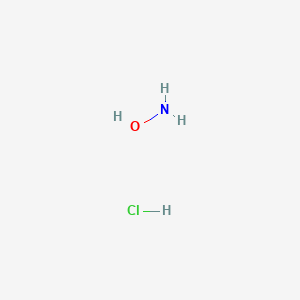
A powerful reducing agent and a strong irritant of the skin and eyes; Can cause methemoglobinemia; Inhalation of high concentrations can induce toxic pneumonitis; [CAMEO] Negligible evaporation at room temperature; Harmful if dispersed particles are inhaled; A skin sensitizer; [ICSC] Causes skin burns; [MSDSonline] See Hydroxylamine.; CID-787
SYMPTOMS: Symptoms of exposure to this chemical include eye, skin and mucous membrane irritation; burning sensation, coughing, wheezing, laryngitis, shortness of breath, headache, nausea, vomiting and methemoglobinemia. Inhalation may be fatal as a result of spasm, inflammation and edema of the larynx and bronchi; chemical pneumonitis and pulmonary edema.; ACUTE/CHRONIC HAZARDS: This chemical is very irritating to sk...
Flash point data for this chemical are not available; however, it is probably combustible. (NTP, 1992) |
|---|

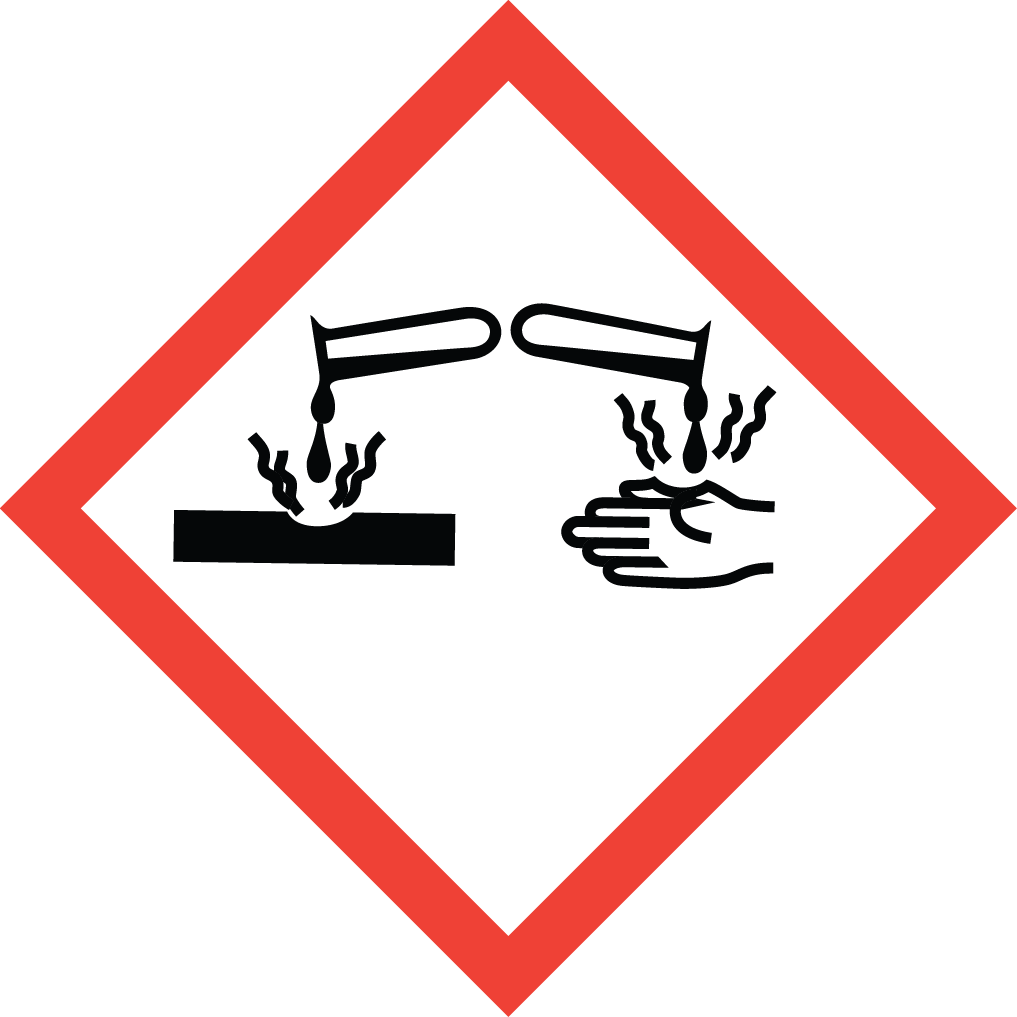 Corrosion
 Irritant
 Environment