| Hazard / Safety Info | Pictogram(s): Acute Toxic; Health Hazard; Environmental Hazard Signal: Danger; GHSDanger GHS Hazard Statements: H300 (100%): Fatal if swallowed [Danger Acute toxicity, oral]; GHSDanger; H310 (98.7%): Fatal in contact with skin [Danger Acute toxicity, dermal]; H330 (100%): Fatal if inhaled [Danger Acute toxicity, inhalation]; H373 (100%): May causes damage to organs through prolonged or repeated exposure [Warning Specific target organ toxicity, repeated exposure]; GHSWarning; H400 (98.7%): Very toxic to a... Precautionary Statement Codes: P260, P262, P264, P270, P271, P273, P280, P284, P301+P316, P302+P352, P304+P340, P316, P319, P320, P321, P330, P361+P364, P391, P403+P233, P405, and P501 ECHA C&L Notifications Summary: Aggregated GHS information provided per 78 reports by companies from 12 notifications to the ECHA C&L Inventory. Each notification may be associated with multiple companies.; Information may vary between notifications depending on impurities, additives, and other factors. The percentage value in parenthesis indicates the notified classification ratio from companies that provide hazard... Pictogram(s): Acute Toxic; Irritant; Health Hazard GHS Hazard Statements: H300: Fatal if swallowed [Danger Acute toxicity, oral]; GHSDanger; H311: Toxic in contact with skin [Danger Acute toxicity, dermal]; H315: Causes skin irritation [Warning Skin corrosion/irritation]; GHSWarning; H317: May cause an allergic skin reaction [Warning Sensitization, Skin]; H319: Causes serious eye irritation [Warning Serious eye damage/eye irritation]; H360: May damage fertility or th...
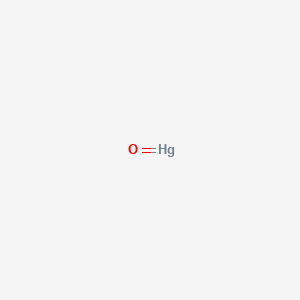
A skin, eye, and respiratory tract irritant; Toxic to the kidneys; [ICSC] Toxic by ingestion, inhalation, and skin absorption; [CAMEO] Decomposed by light into mercury and oxygen; [Merck Index] Highly toxic by ingestion, inhalation, and skin absorption; May cause liver and kidney injury; Teratogenic effects and reproductive toxicity observed in experimental animals; [Sigma-Aldrich MSDS] See Mercury, inorganic compoun...
This material is highly toxic by ingestion, inhalation, or skin absorption. Very short exposure to small quantities may cause death or permanent injury. Following ingestion, mercuric oxide is readily converted to mercuric chloride, the most dangerous mercury compound. Mercuric oxide dust has a corrosive effect on eyes, skin, and respiratory tract. People with a history of allergies or known sensitization to mercury,...
When heated to decomposition (932F) it decomposes into mercury and oxygen. Fumes from fire may contain poisonous mercury vapor; oxygen may increase intensity of fire. Explosion of mercuric oxide may occur with friction or application of heat. Avoid reducing agents. Avoid light; may decompose into mercury and oxygen. Hazardous polymerization may not occur. (EPA, 1998); Element-Mercury; Element-Oxygen; CID-30856 |
|---|

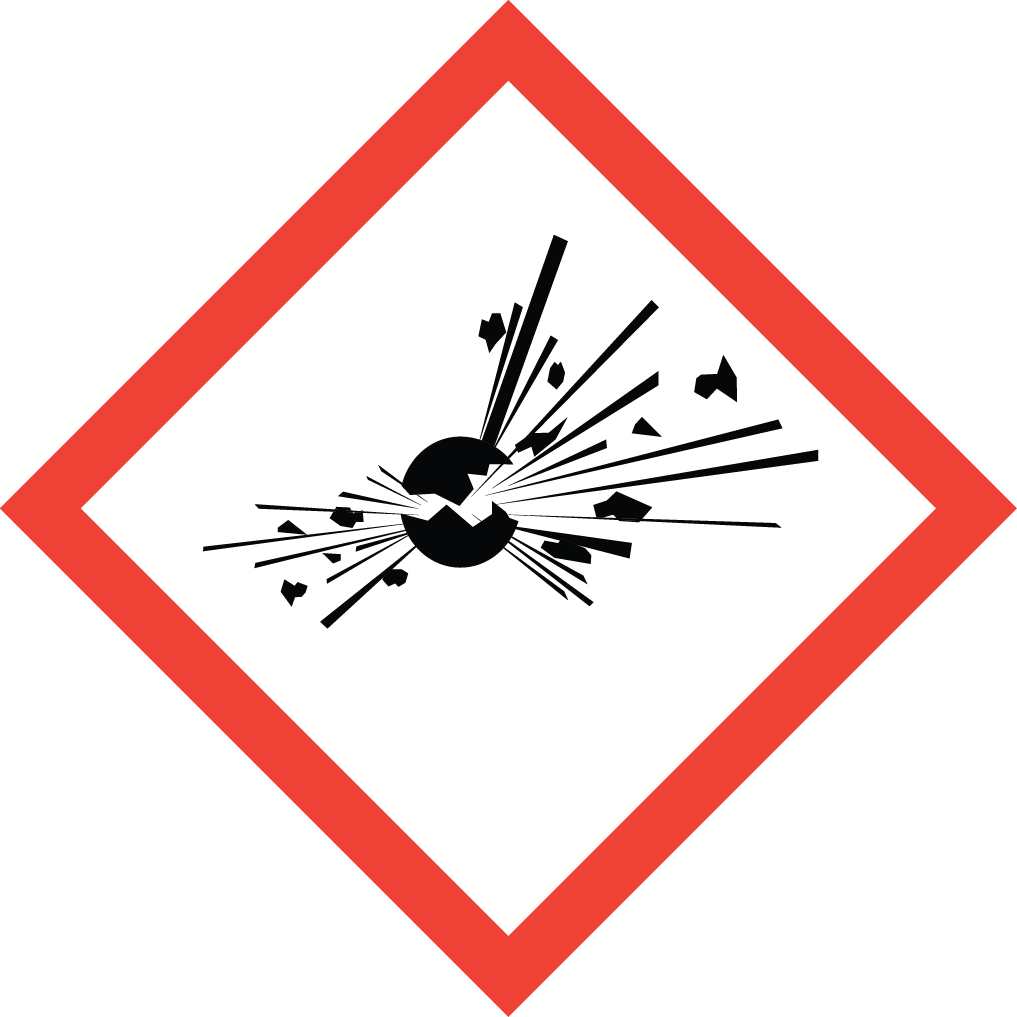 Explosive
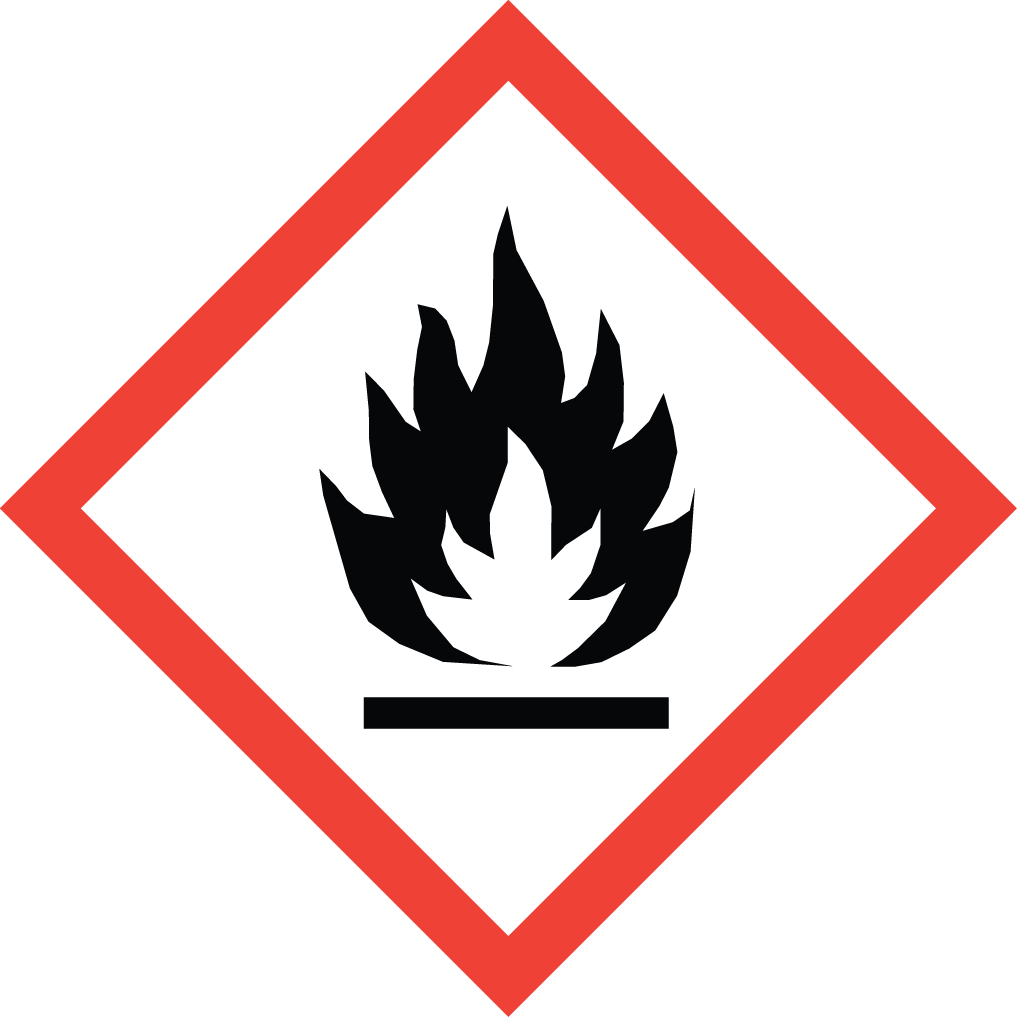 Flame
Flame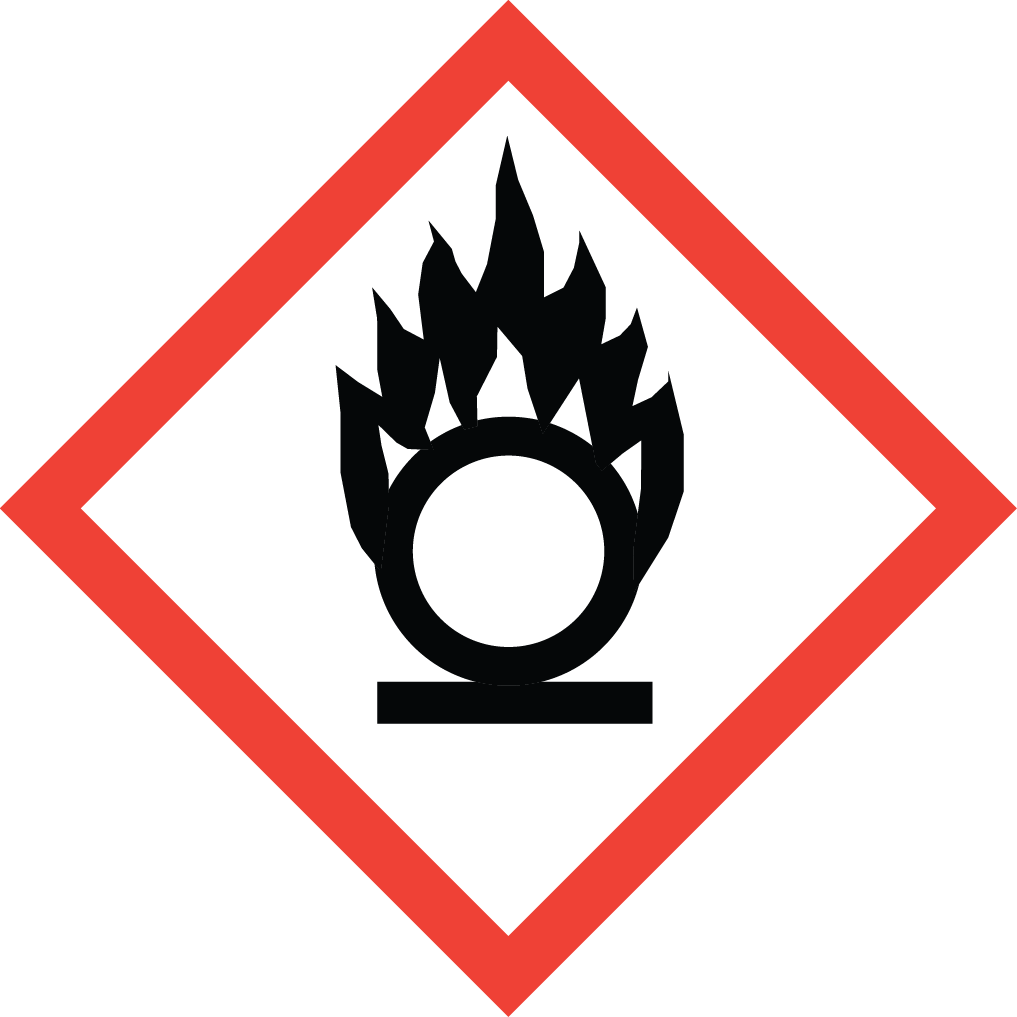 Oxidizer
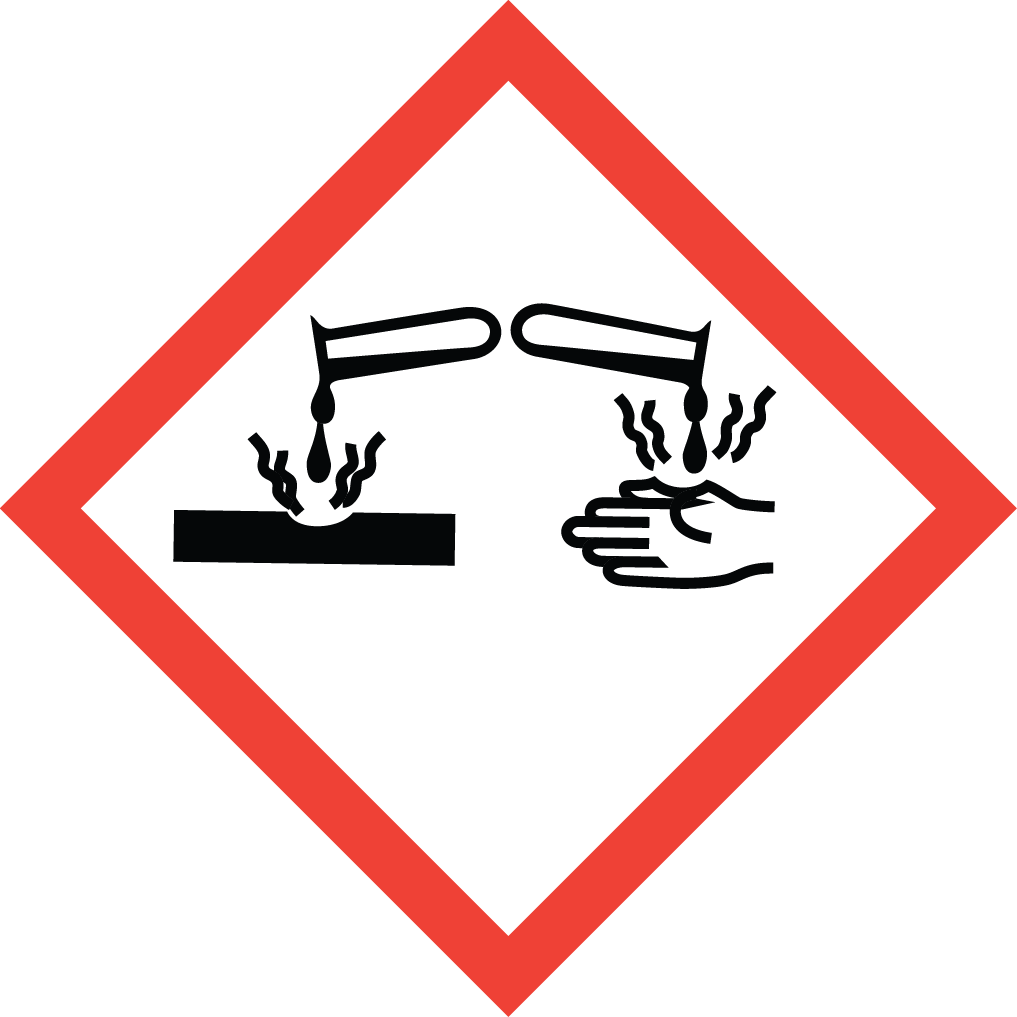 Corrosion
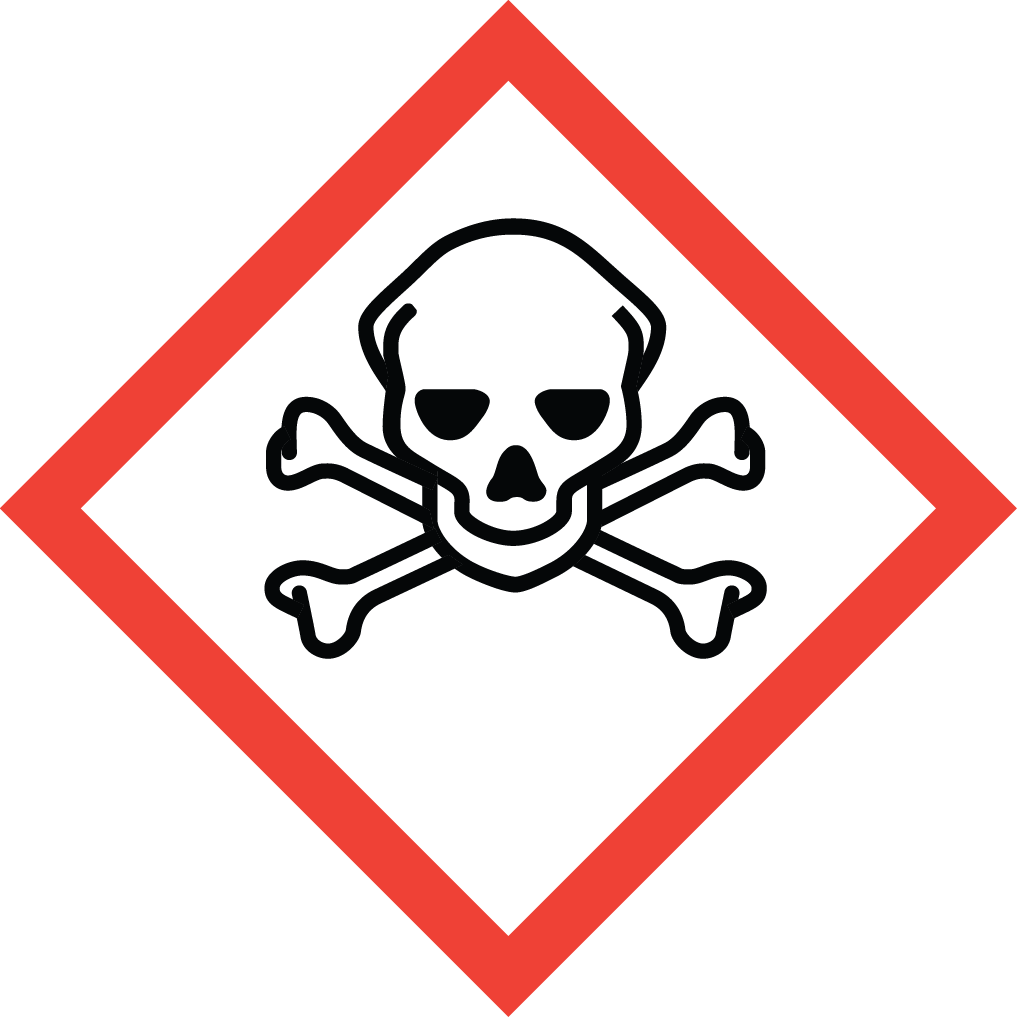 Skull
Skull Irritant
 Environment