| Storage Condition | Dry. Ventilation along the floor. Separated from strong oxidants, strong acids, strong bases, copper and plastics.; Element-Copper
Small quantities can be stored in polyethylene, polypropylene, or clear glass bottles. Safe Storage: Separated from oxidants, rubber, plastics, aluminum and light metals. Dry. Ventilation along the floor.; Element-Aluminum |
|---|
| Hazard / Safety Info | Pictogram(s): Irritant; Health Hazard Signal: Danger; GHSDanger GHS Hazard Statements: H315: Causes skin irritation [Warning Skin corrosion/irritation]; GHSWarning; H319: Causes serious eye irritation [Warning Serious eye damage/eye irritation]; H335: May cause respiratory irritation [Warning Specific target organ toxicity, single exposure; Respiratory tract irritation]; H360D ***: May damage the unborn child [Danger Reproductive toxicity]; GHSDanger Precautionary Statement Codes: P203, P261, P264, P264+P265, P271, P280, P302+P352, P304+P340, P305+P351+P338, P318, P319, P321, P332+P317, P337+P317, P362+P364, P403+P233, P405, and P501 Note: This chemical does not meet GHS hazard criteria for < 0.1% (1 of 2679) of reports. GHS Hazard Statements: H315 (> 99.9%): Causes skin irritation [Warning Skin corrosion/irritation]; GHSWarning; H319 (> 99.9%): Causes serious eye irritation [Warning Serious eye damage/eye irritation]; H335 (94.8%): May cause respiratory irritation [Warning Specific target organ toxicity, single exposure; Respiratory tract irritation]; H360 (94.2%): May damage fertility or the unborn child [Danger Reproductive toxici...
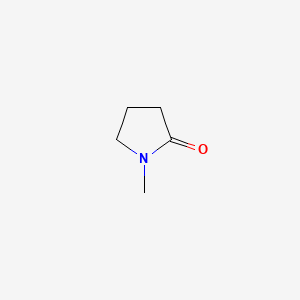
It is absorbed through the skin; a severe eye irritant; [CSH, p. 291] It is mainly an irritant, but it can cause severe contact dermatitis due to prolonged contact. [Kanerva, p. 1816] Experimental animals experience lethargy and respiratory difficulty after inhalation. [HSDB] Some animal studies found fetal loss and birth defects after high doses during early pregnancy. [Frazier, p. 345] NMP is a cyclic amide used as...
Inhalation of hot vapors can irritate nose and throat. Ingestion causes irritation of mouth and stomach. Contact with eyes causes irritation. Repeated and prolonged skin contact produces a mild, transient irritation. (USCG, 1999)
Special Hazards of Combustion Products: Toxic oxides of nitrogen may be formed in fire. (USCG, 1999) |
|---|

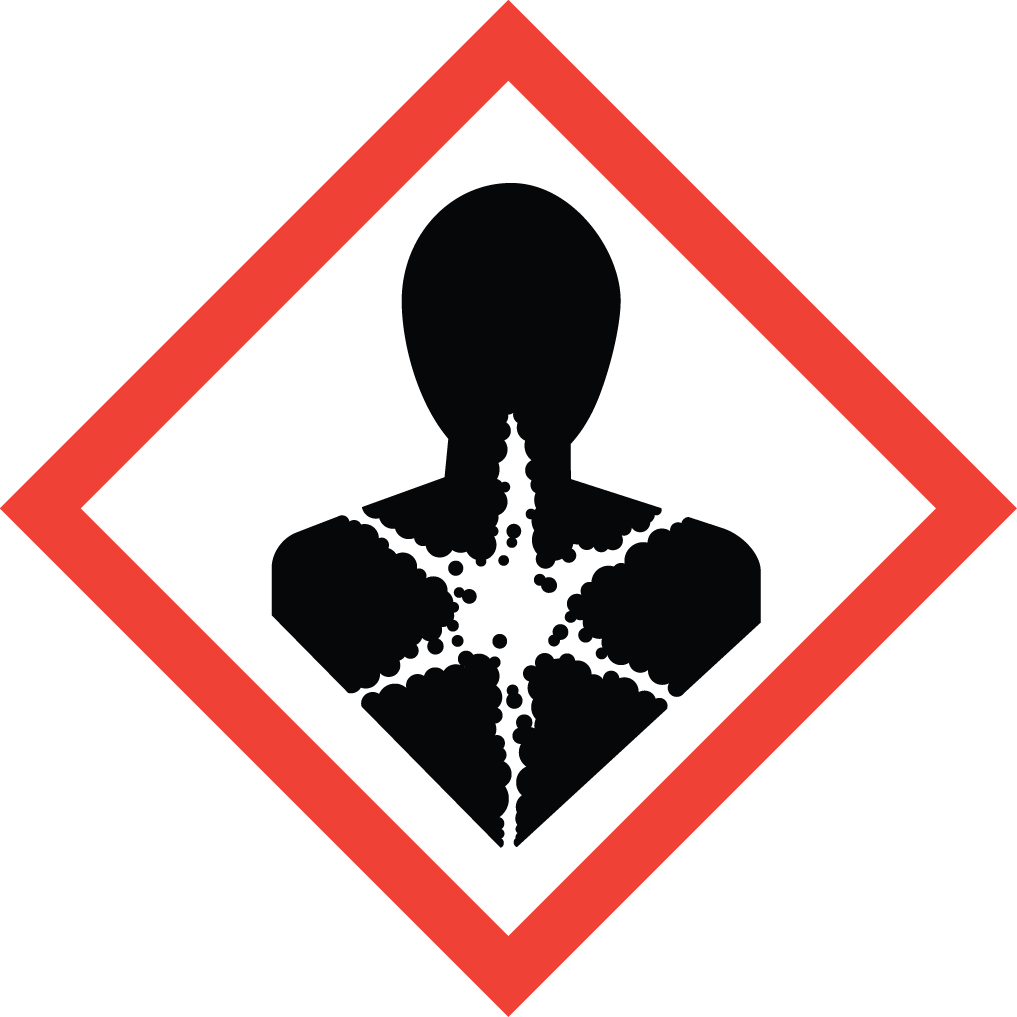 Health Hazard
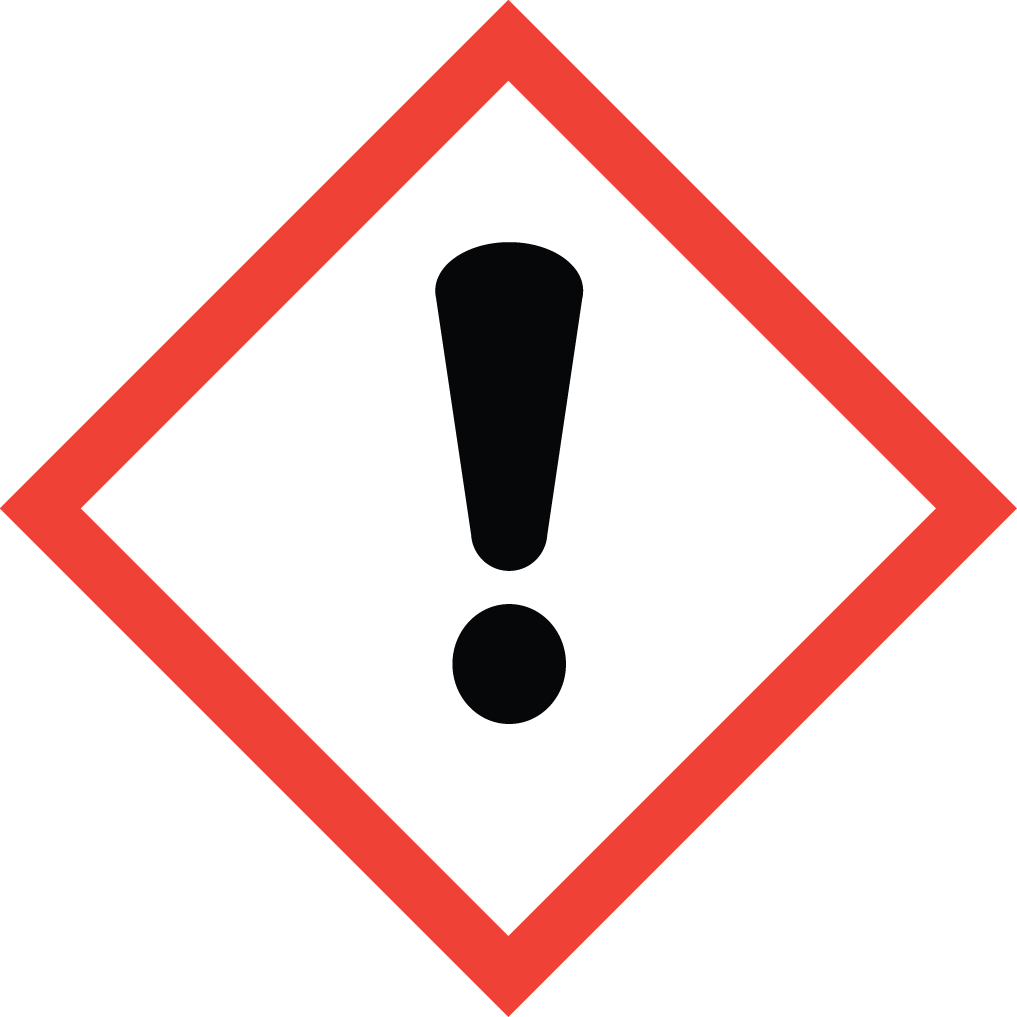 Irritant
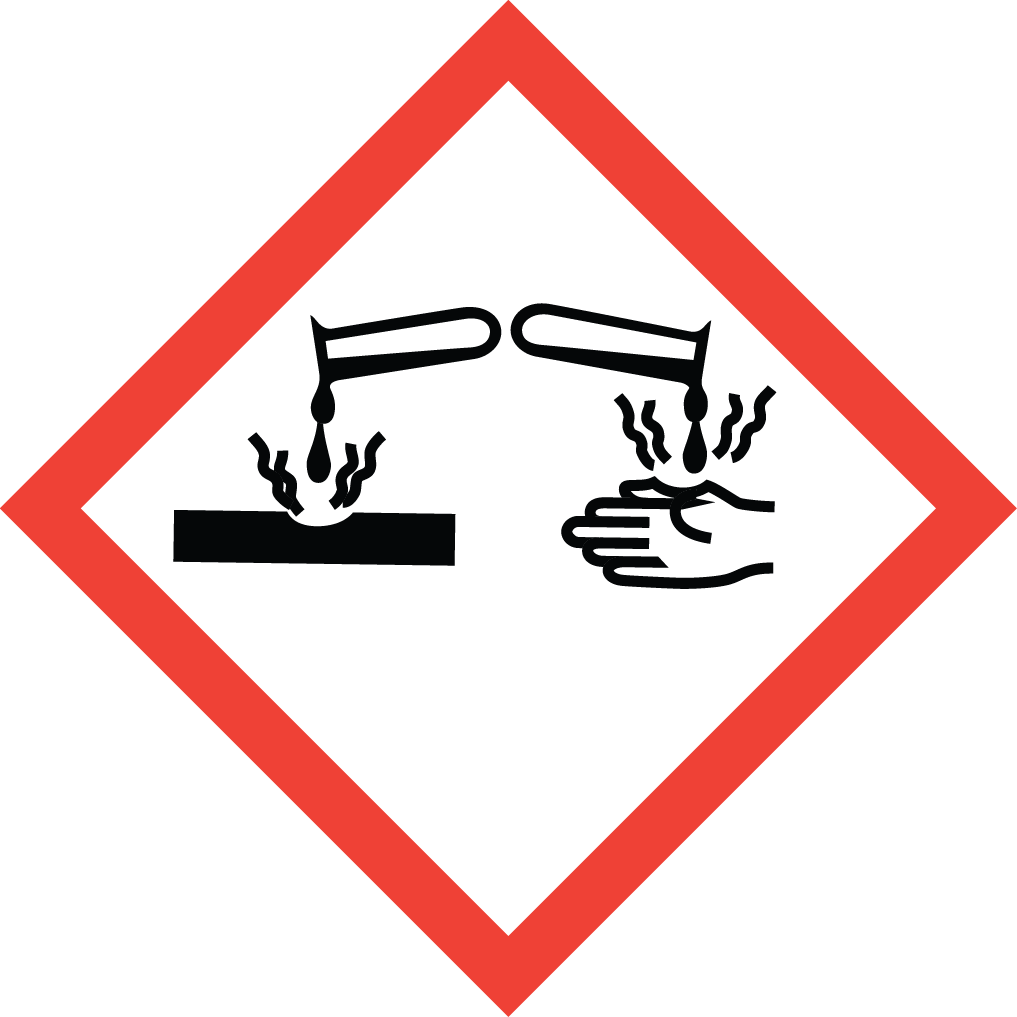 Corrosion