B2B & B2C Chemical Sourcing & Technical Supply

Lithium Hydroxide

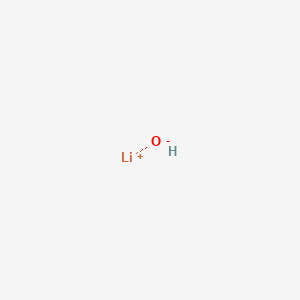
Lithium Hydroxide (CAS 1310-65-2, formula HLiO, molecular weight 24.0) chemical product draft generated from PubChem CID 3939 for technical catalog review and…

CAS No.1310-65-2
Product CodePUBCHEM-CID-3939
FormulaHLiO
Molecular Weight24.0
GradeIndustrial / laboratory grade - confirm final grade before publishing.
StockOn Request
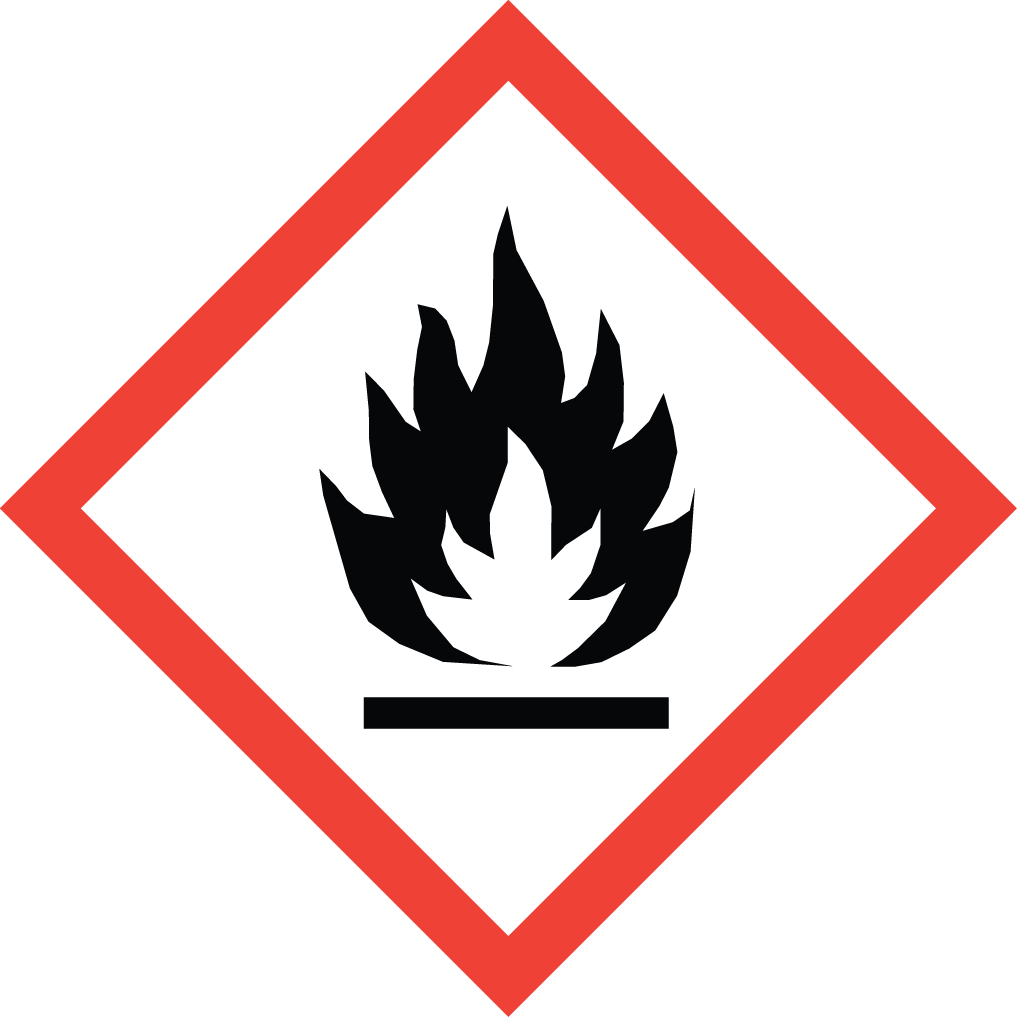
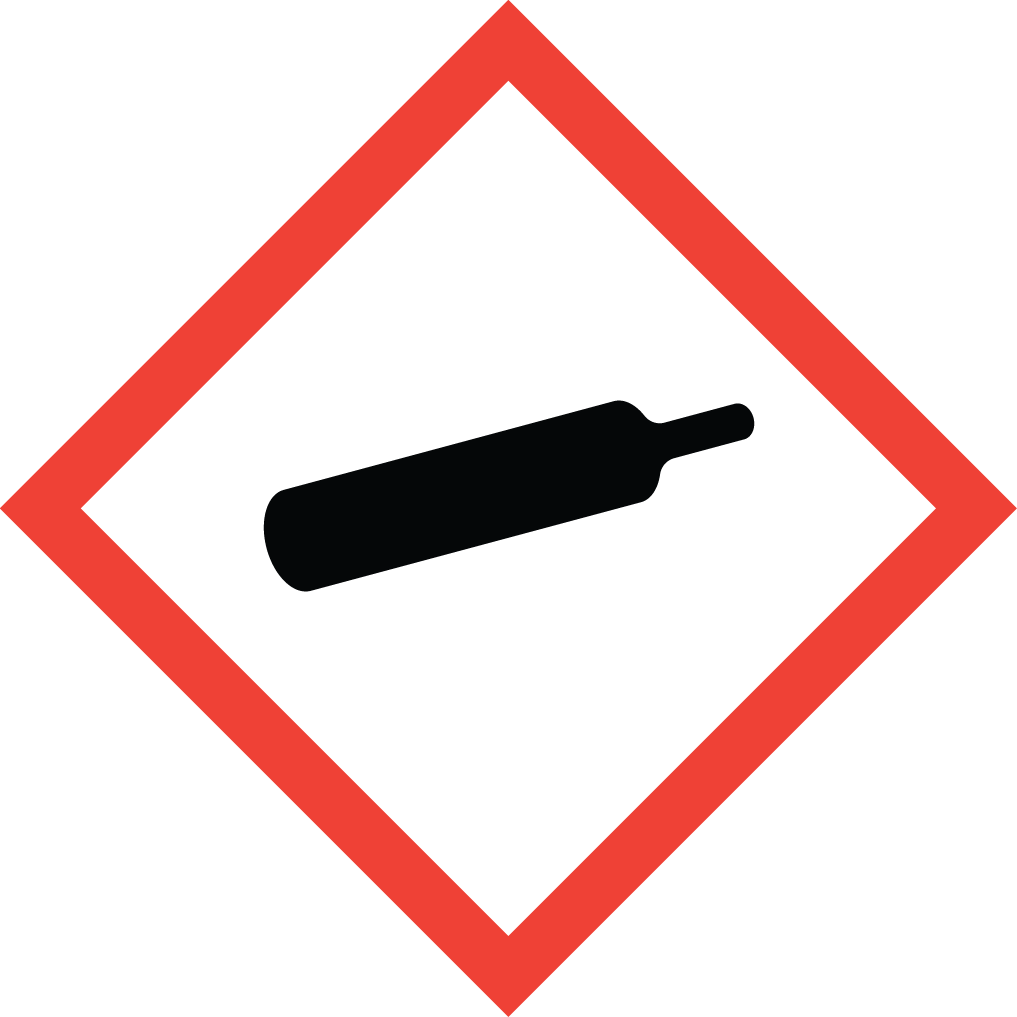
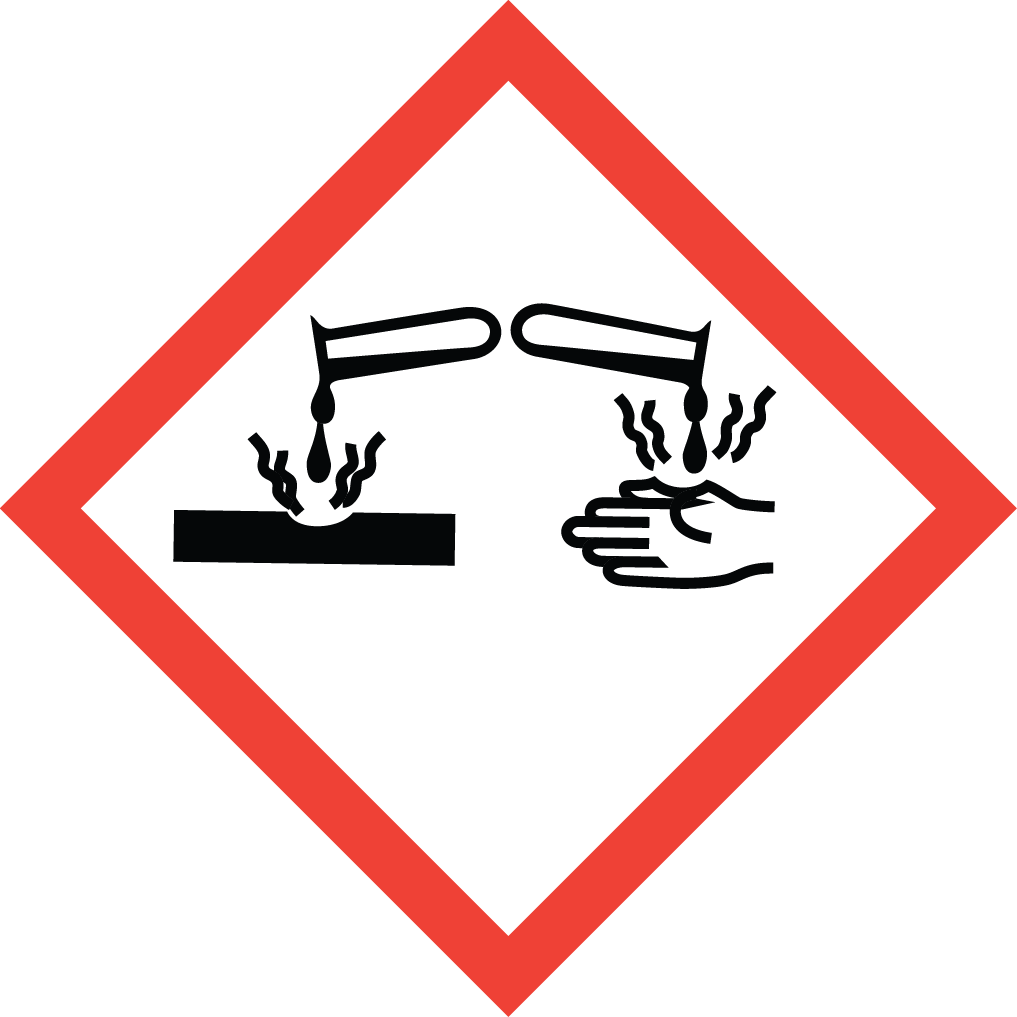
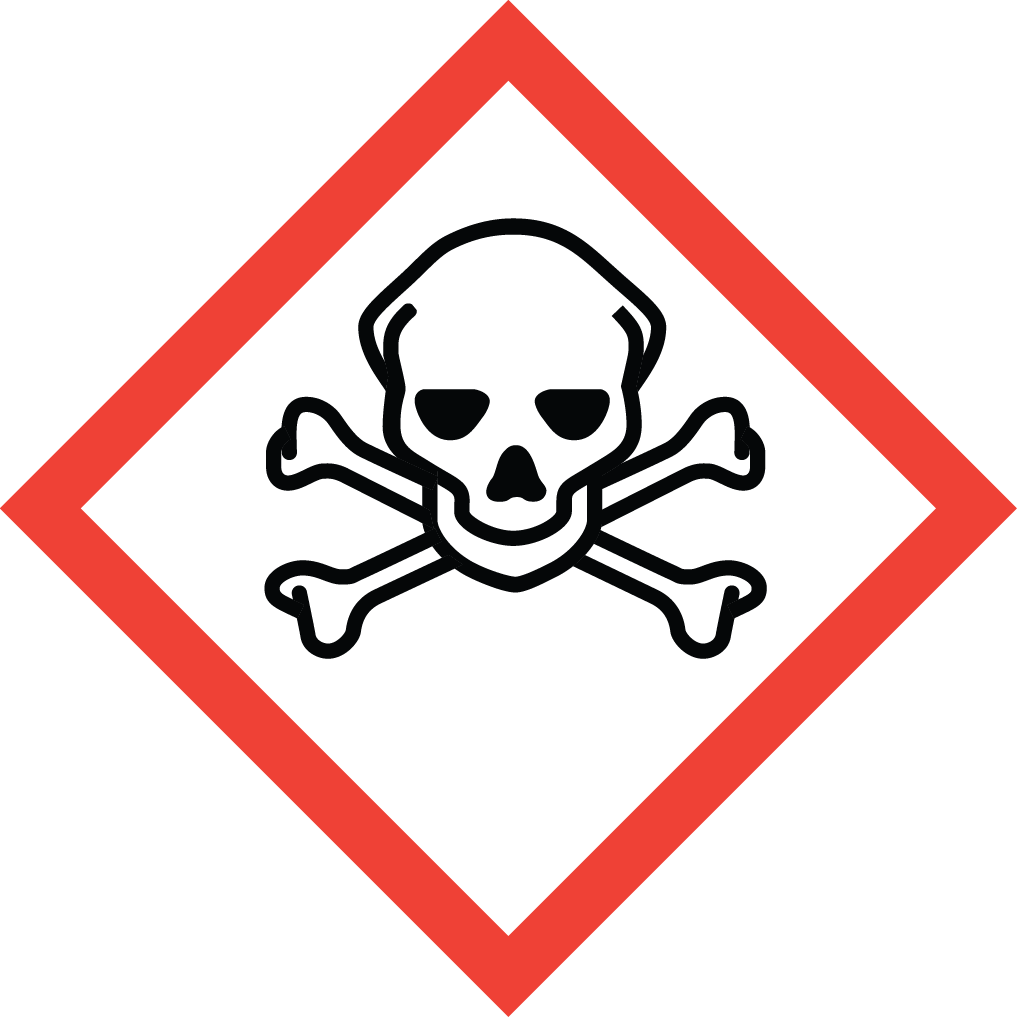
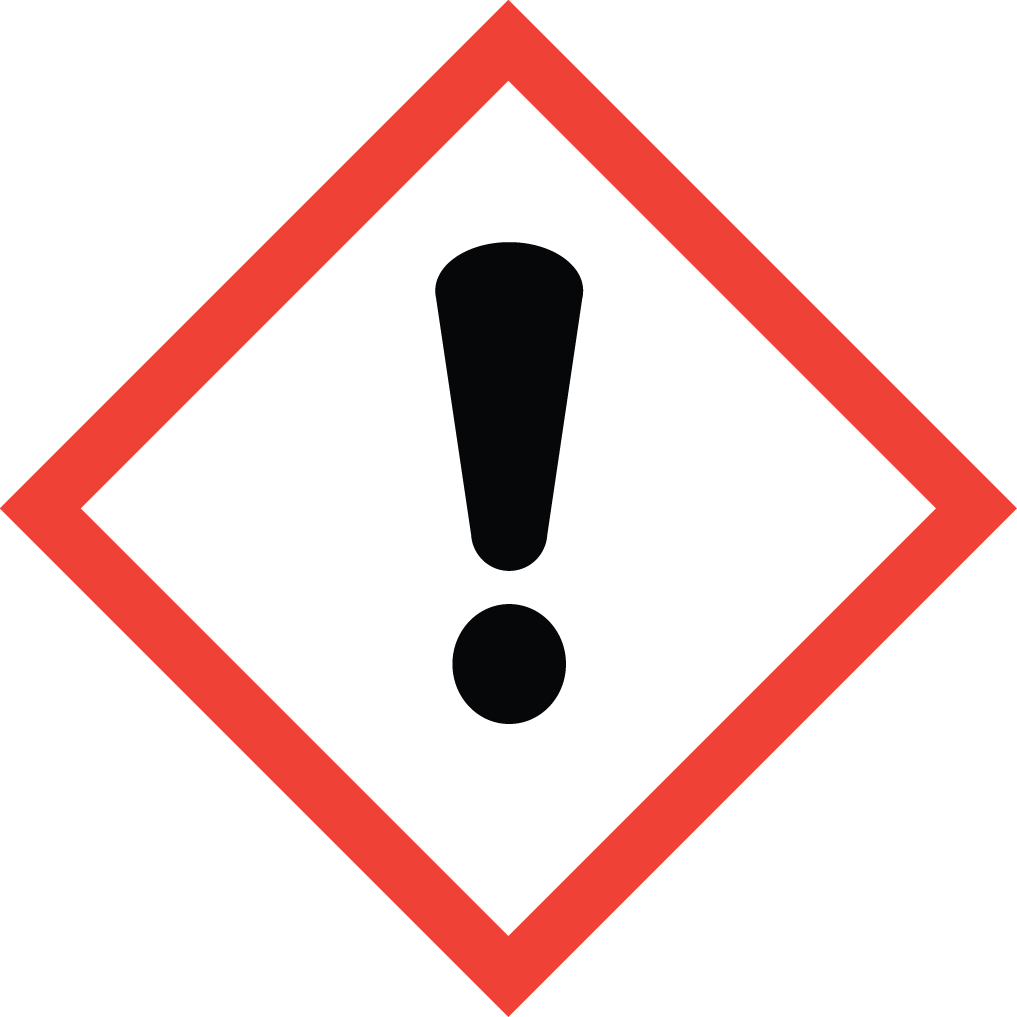
GHSHazard Pictograms
FlameFlameGas CylinderGas CylinderCorrosionCorrosionSkullSkullIrritantIrritant

Auto-selected from PubChem where available. Confirm final classification with supplier SDS.

Product Overview

Professional technical and procurement details

Product overview: Lithium Hydroxide is prepared as a searchable ALKEMIST catalog draft using public PubChem data. Complete brand, packing, MOQ, price, stock, country availability and supplier details before publishing.

IUPAC name: lithium hydroxide.

Technical identifiers: CAS No. 1310-65-2. Molecular formula HLiO. Molecular weight 24.0. PubChem CID 3939.

Structure references: InChIKey WMFOQBRAJBCJND-UHFFFAOYSA-M.

Safety note: verify SDS, TDS, COA, hazard classification, storage condition and regulatory requirements against supplier documents before customer use.

Technical Specifications

Identity, properties and equipment data

Identification

CAS Number1310-65-2
SKU / Product CodePUBCHEM-CID-3939
Synonyms / Alternative NamesLithium hydrate,
Lithium hydroxide anhydrous,
Lithium hydroxide (Li(OH)),
903YL31JAS,
CHEBI:33979,
DTXSID70893845,
215-183-4,
RefChem:5957,
DTXCID801323885,
G51XLP968G,
lithium;hydroxide,
LiOH
Molecular FormulaHLiO
Molecular Weight24.0
BrandMacklin
Product GradeIndustrial / laboratory grade - confirm final grade before publishing.

Technical Properties

Purity / AssayAssay / purity to be confirmed from supplier COA.
Physical State / FormLithium hydroxide, solution appears as a clear to water-white liquid which may have a pungent odor. Contact may cause severe irritation to skin, eyes, and mucous membranes. It may be toxic by ingestion, inhalation and skin absorption. It is used to make other chemicals.; CID-3939; CID-962
Density2.54 g/cm³
Melting Point450-471 °C
Boiling Point1626 °C @760 [mm Hg]
pH ValueNot available from PubChem; verify from SDS / COA if applicable.

Storage & Safety

GHS PictogramsFlame, Gas Cylinder, Corrosion, Skull, Irritant
Storage ConditionSeparated from food and feedstuffs, strong oxidants and strong acids. Store only in original container. Dry. Well closed. Store in an area without drain or sewer access.
Hazard / Safety InfoNote: This chemical does not meet GHS hazard criteria for 9.7% (95 of 980) of reports. Pictogram(s): Corrosive; Acute Toxic; Irritant Signal: Danger; GHSDanger GHS Hazard Statements: H301 (12.6%): Toxic if swallowed [Danger Acute toxicity, oral]; GHSDanger; H302 (73.6%): Harmful if swallowed [Warning Acute toxicity, oral]; GHSWarning; H311 (10.9%): Toxic in contact with skin [Danger Acute toxicity, dermal]; H314 (89.8%): Causes severe skin burns and eye damage [Danger Skin corrosion/irritation]; H318 (72.4%): Causes serious eye damage [Danger Serious eye damage/eye irritati... Precautionary Statement Codes: P260, P262, P264, P264+P265, P270, P280, P301+P316, P301+P317, P301+P330+P331, P302+P352, P302+P361+P354, P304+P340, P305+P354+P338, P316, P317, P321, P330, P361+P364, P363, P405, and P501 ECHA C&L Notifications Summary: Aggregated GHS information provided per 980 reports by companies from 28 notifications to the ECHA C&L Inventory. Each notification may be associated with multiple companies.; Reported as not meeting GHS hazard criteria per 95 of 980 reports by companies.; There are 26 notifications provided by 885 of 980 reports by companies with hazard statement code(s).; Information may vary between... Pictogram(s): Corrosive; Acute Toxic; Health Hazard
Corrosive to skin; [Quick CPC] High inhalation exposure can cause pulmonary edema; [ICSC] Causes abnormal liver function test results in animal experiments; [RTECS] See Lithium oxide.; CID-166630
Excerpt from ERG Guide 154 [Substances - Toxic and/or Corrosive (Non-Combustible)]:; TOXIC and/or CORROSIVE; inhalation, ingestion or skin contact with material may cause severe injury or death. Contact with molten substance may cause severe burns to skin and eyes. Avoid any skin contact. Fire may produce irritating, corrosive and/or toxic gases. Runoff from fire control or dilution water may be corrosive and/or toxi...
Excerpt from ERG Guide 154 [Substances - Toxic and/or Corrosive (Non-Combustible)]:; Non-combustible, substance itself does not burn but may decompose upon heating to produce corrosive and/or toxic fumes. Some are oxidizers and may ignite combustibles (wood, paper, oil, clothing, etc.). Corrosives in contact with metals may evolve flammable hydrogen gas. Containers may explode when heated. For electric vehicles or eq...
Supply & Availability

Packing, MOQ, location and supplier information

Packing SizeOn request
MOQOn request
PricePKR 1.00
Stock StatusOn Request
Available CountryPakistan
Available LocationPakistan
Dealer / SupplierALKEMIST - chemical seller in Pakistan
Documentation

SDS, TDS, COA and supporting files

SDS / TDS / COA documents can be uploaded from the product editor.

⚗️Glassware
Library
🧪Laboratory
Chemicals
🌸Perfume OilsExplore