| Hazard / Safety Info | Pictogram(s): Irritant; Health Hazard Signal: Danger; GHSDanger GHS Hazard Statements: H312: Harmful in contact with skin [Warning Acute toxicity, dermal]; GHSWarning; H332: Harmful if inhaled [Warning Acute toxicity, inhalation]; H360D ***: May damage the unborn child [Danger Reproductive toxicity]; GHSDanger Precautionary Statement Codes: P203, P261, P271, P280, P302+P352, P304+P340, P317, P318, P321, P362+P364, P405, and P501 GHS Hazard Statements: H312+H332 (13.2%): Harmful in contact with skin or if inhaled [Warning Acute toxicity, dermal; acute toxicity, inhalation]; GHSWarning; H312 (99.4%): Harmful in contact with skin [Warning Acute toxicity, dermal]; H319 (35.5%): Causes serious eye irritation [Warning Serious eye damage/eye irritation]; H332 (96.5%): Harmful if inhaled [Warning Acute toxicity, inhalation]; H360 (91.5%): May damage... Precautionary Statement Codes: P203, P261, P264+P265, P271, P280, P302+P352, P304+P340, P305+P351+P338, P317, P318, P321, P337+P317, P362+P364, P405, and P501 Toxic hepatitis has been reported in workers after inhalation and dermal exposure. DMAC is fetotoxic and teratogenic when administered at high doses to rabbits and rats. NOAEL = 25 ppm for hepatic and renal toxicity in rats and mice. Humans exposed to high doses may experience mental confusion. [ACGIH] A skin and eye irritant; Inhalation of high concentrations may cause liver and CNS effects; [ICSC] In a study of 440... Liquid causes mild irritation of eyes and skin. Ingestion causes depression, lethargy, confusion and disorientation, visual and auditory hallucinations, perceptual distortions, delusions, emotional detachment, and affective blunting. (USCG, 1999) This chemical is combustible. (NTP, 1992) |
|---|

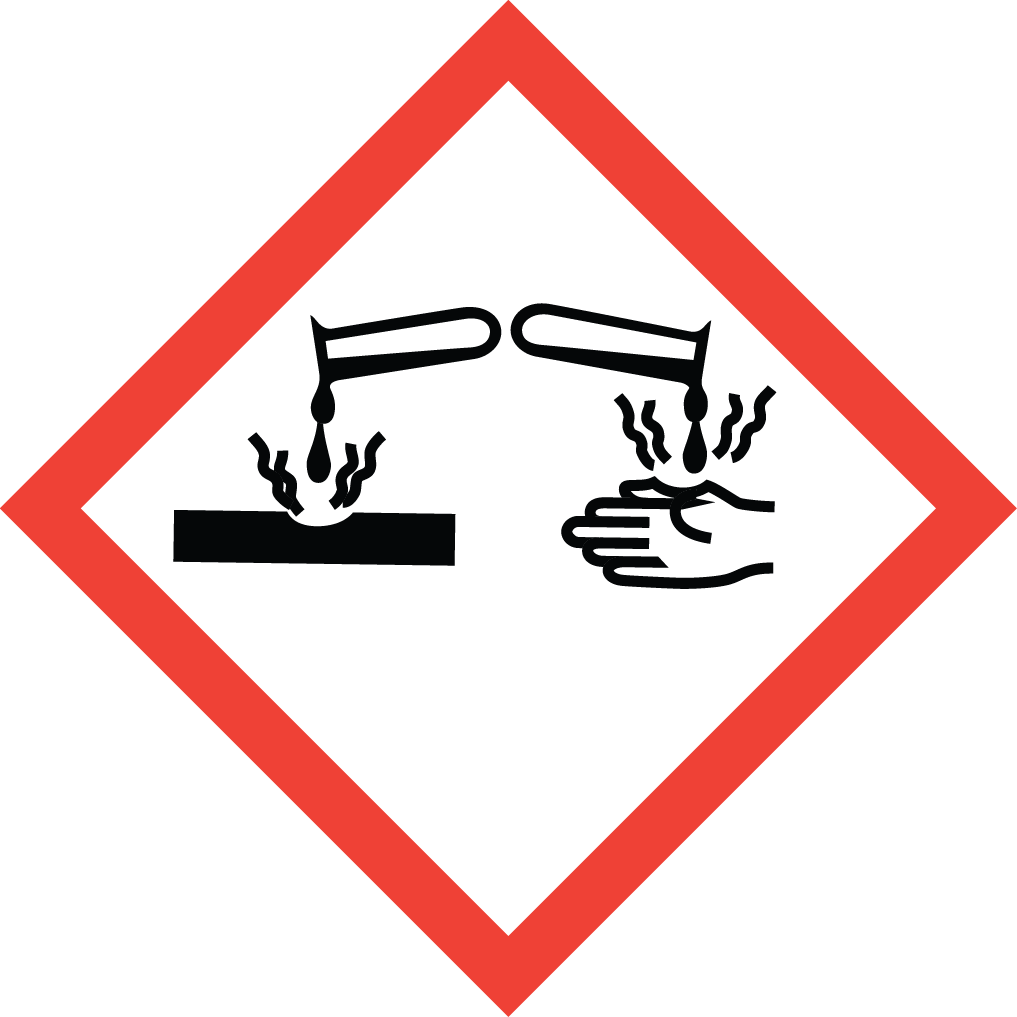 Corrosion
 Irritant