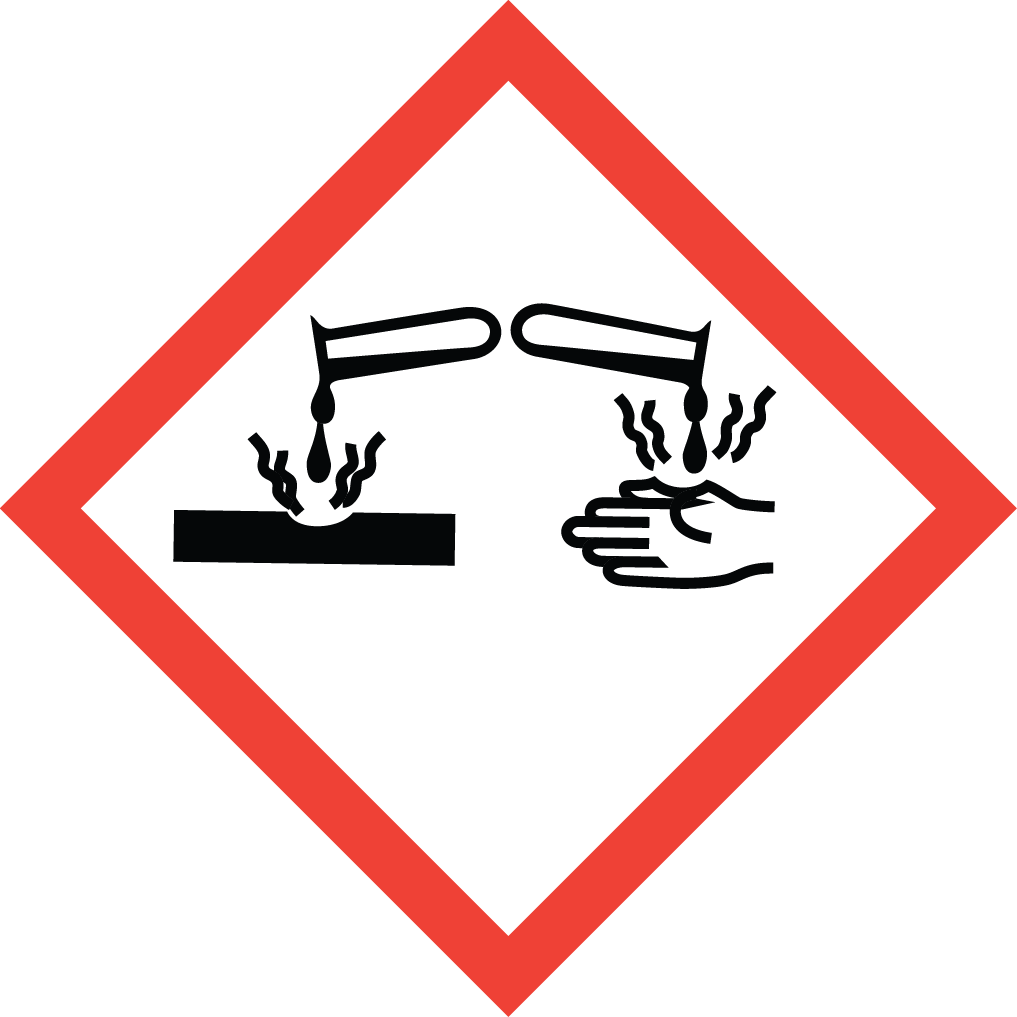
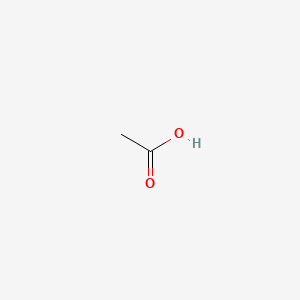
| Hazard / Safety Info | Pictogram(s): Flammable; Corrosive Signal: Danger; GHSDanger GHS Hazard Statements: H226: Flammable liquid and vapor [Warning Flammable liquids]; GHSWarning; H314: Causes severe skin burns and eye damage [Danger Skin corrosion/irritation]; GHSDanger Precautionary Statement Codes: P210, P233, P240, P241, P242, P243, P260, P264, P280, P301+P330+P331, P302+P361+P354, P303+P361+P353, P304+P340, P305+P354+P338, P316, P321, P363, P370+P378, P403+P235, P405, and P501 Note: This chemical does not meet GHS hazard criteria for < 0.1% (3 of 5076) of reports. GHS Hazard Statements: H226 (99.7%): Flammable liquid and vapor [Warning Flammable liquids]; GHSWarning; H314 (> 99.9%): Causes severe skin burns and eye damage [Danger Skin corrosion/irritation]; GHSDanger; H318 (14.7%): Causes serious eye damage [Danger Serious eye damage/eye irritation] Liquid causes second degree burns after contact for a few minutes; [CHRIS] Highly corrosive to skin; [Quick CPC] Glacial refers to a number of acids, e.g., acetic and phosphoric, which have a freezing point slightly below room temperature when in a highly pure state. For example, glacial acetic acid is 99.8% pure and crystallizes at 16.6 C. [Hawley] Household vinegar is usually a 5% solution. Use skin protection if >... Breathing of vapors causes coughing, chest pain, and irritation of nose and throat; may cause nausea andvomiting. Contact with skin and eye causes burns. (USCG, 1999) Special Hazards of Combustion Products: Irritating vapor generated when heated. (USCG, 1999) |
|---|