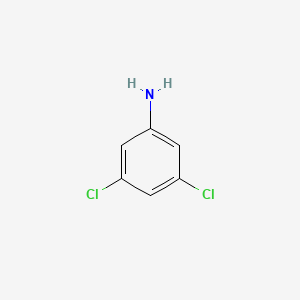
| Hazard / Safety Info | Pictogram(s): Acute Toxic; Health Hazard; Environmental Hazard Signal: Danger; GHSDanger GHS Hazard Statements: H301 (99.3%): Toxic if swallowed [Danger Acute toxicity, oral]; GHSDanger; H311 (99.3%): Toxic in contact with skin [Danger Acute toxicity, dermal]; H331 (99.3%): Toxic if inhaled [Danger Acute toxicity, inhalation]; H373 (98%): May causes damage to organs through prolonged or repeated exposure [Warning Specific target organ toxicity, repeated exposure]; GHSWarning; H400 (96.6%): Very toxic to... Precautionary Statement Codes: P260, P261, P262, P264, P270, P271, P273, P280, P301+P316, P302+P352, P304+P340, P316, P319, P321, P330, P361+P364, P391, P403+P233, P405, and P501 ECHA C&L Notifications Summary: Aggregated GHS information provided per 147 reports by companies from 14 notifications to the ECHA C&L Inventory. Each notification may be associated with multiple companies.; Information may vary between notifications depending on impurities, additives, and other factors. The percentage value in parenthesis indicates the notified classification ratio from companies that provide hazard... Pictogram(s): Health Hazard; Environmental Hazard Signal: Warning; GHSWarning GHS Hazard Statements: H371: May cause damage to organs [Warning Specific target organ toxicity, single exposure]; GHSWarning Emergency treatment: Methemoglobinemia; The dichloroanilines cause evidence of kidney damage (proteinuria, hematuria, and elevated blood urea nitrogen) at 0.8 mmol/kg given intraperitoneally to rats; [HSDB] An irritant; May induce methemoglobinemia; May be absorbed through skin; [MSDSonline] See 3,4-Dichloroaniline.; CID-31295; CID-7257 |
|---|