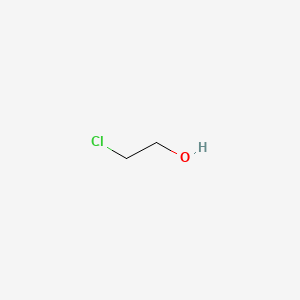
| Hazard / Safety Info | Pictogram(s): Acute Toxic Signal: Danger; GHSDanger GHS Hazard Statements: H300: Fatal if swallowed [Danger Acute toxicity, oral]; GHSDanger; H310: Fatal in contact with skin [Danger Acute toxicity, dermal]; H330: Fatal if inhaled [Danger Acute toxicity, inhalation] Precautionary Statement Codes: P260, P262, P264, P270, P271, P280, P284, P301+P316, P302+P352, P304+P340, P316, P320, P321, P330, P361+P364, P403+P233, P405, and P501 Note: This chemical does not meet GHS hazard criteria for 3.7% (11 of 299) of reports. Pictogram(s): Flammable; Corrosive; Acute Toxic; Environmental Hazard GHS Hazard Statements: H226 (76.6%): Flammable liquid and vapor [Warning Flammable liquids]; GHSWarning; H290 (68.2%): May be corrosive to metals [Warning Corrosive to Metals]; H300 (96.3%): Fatal if swallowed [Danger Acute toxicity, oral]; GHSDanger; H310 (96.3%): Fatal in contact with skin [Danger Acute toxicity, dermal]; H318 (72.6%): Causes serious eye damage [Danger Serious eye damage/eye irritation]; H330 (96.3... In acute animal experiments, ethylene chlorohydrin is a potent central nervous system depressant. Autopsy of a worker who died from ethylene chlorohydrin poisoning showed severe damage to the brain, liver, and other organs. [ACGIH] Absorbed through the skin and severely irritating to the eyes and respiratory tract; Causes heart, liver, and kidney damage and respiratory failure; [ICSC] Ethylene chlorohydrin is more to... Very toxic; probable oral lethal dose in humans is 50-500 mg/kg or between 1 teaspoon and 1 ounce for a 70 kg (150 lb.) person. Poisoning causes liver and kidney degeneration and irritates mucous membranes; it may be cumulative. Several fatal cases with brain edema and lung edema have been reported from industrial exposure by inhalation and skin contact. It is more toxic by skin contact than orally. (EPA, 1998) Its decomposition products will react with water or steam to produce toxic and corrosive fumes of phosgene and hydrogen chloride. Vapors are heavier than air and may flash back to a source of ignition. (EPA, 1998); CID-962; CID-6371; CID-313 |
|---|

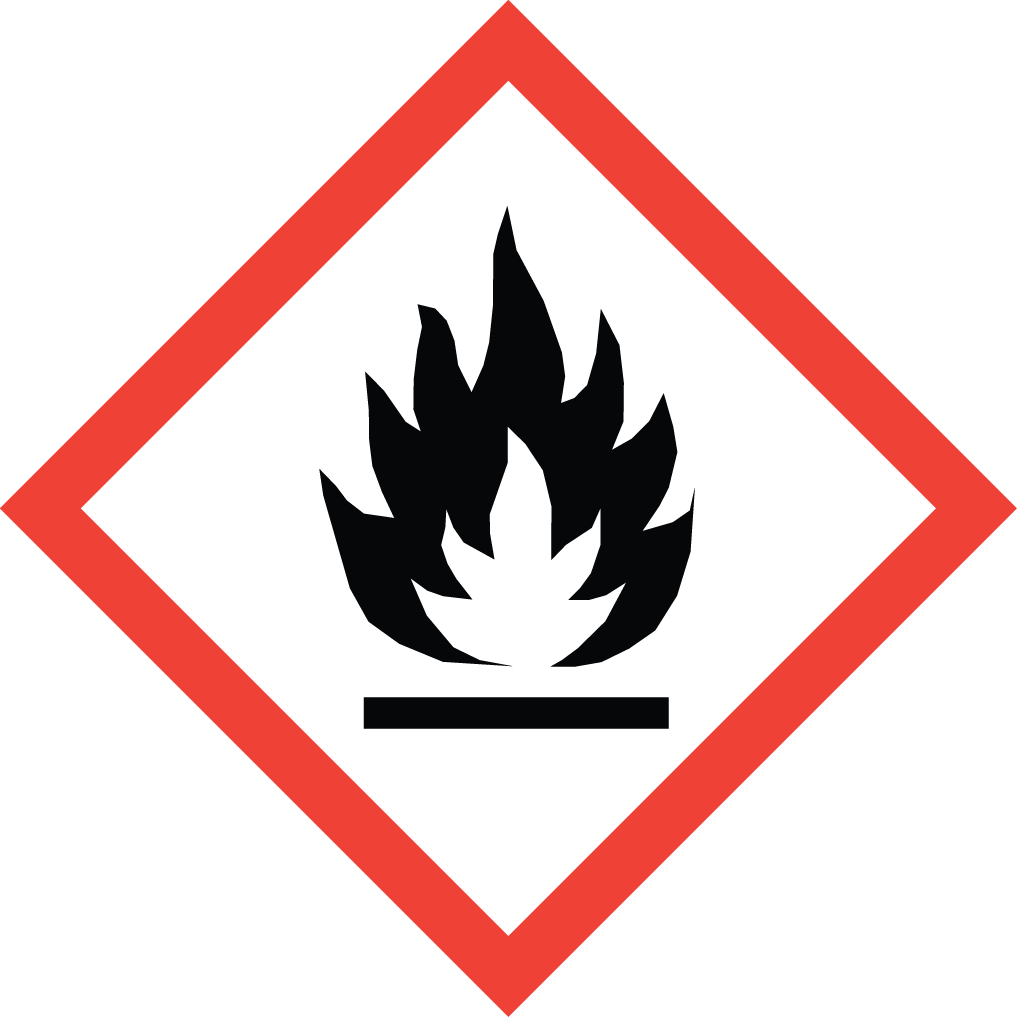 Flame
Flame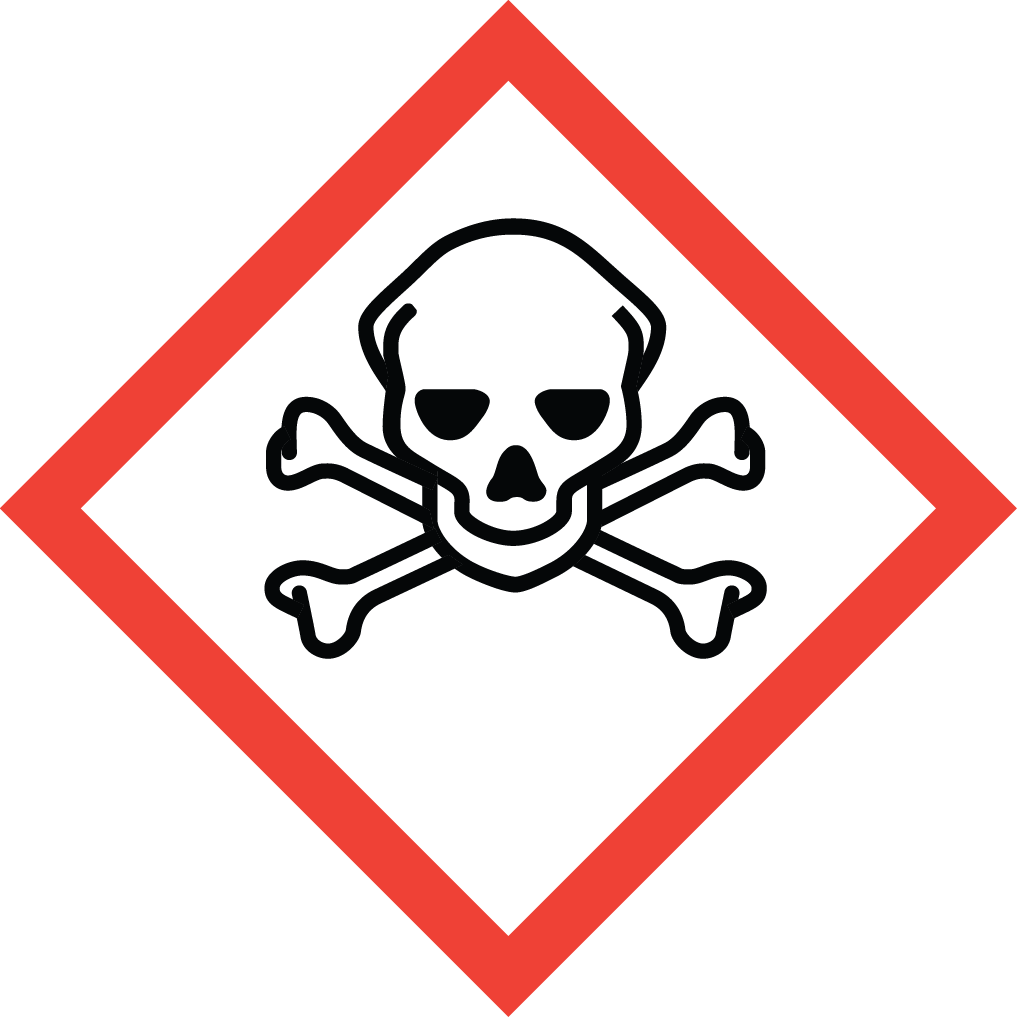 Skull
Skull