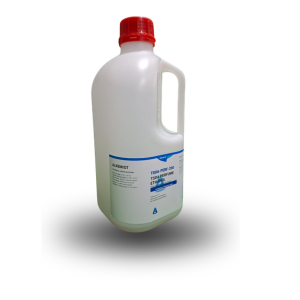
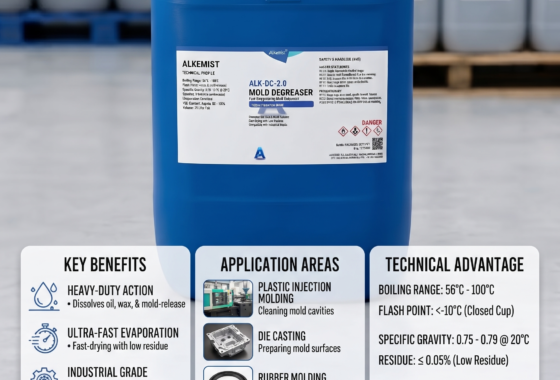
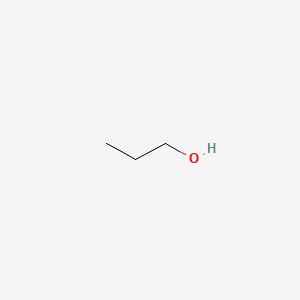
| Hazard / Safety Info | Pictogram(s): Flammable; Corrosive; Irritant Signal: Danger; GHSDanger GHS Hazard Statements: H225: Highly Flammable liquid and vapor [Danger Flammable liquids]; GHSDanger; H318: Causes serious eye damage [Danger Serious eye damage/eye irritation]; H336: May cause drowsiness or dizziness [Warning Specific target organ toxicity, single exposure; Narcotic effects]; GHSWarning Precautionary Statement Codes: P210, P233, P240, P241, P242, P243, P261, P264+P265, P271, P280, P303+P361+P353, P304+P340, P305+P354+P338, P317, P319, P370+P378, P403+P233, P403+P235, P405, and P501 Note: This chemical does not meet GHS hazard criteria for < 0.1% (1 of 3950) of reports. GHS Hazard Statements: H225 (> 99.9%): Highly Flammable liquid and vapor [Danger Flammable liquids]; GHSDanger; H302 (11.4%): Harmful if swallowed [Warning Acute toxicity, oral]; GHSWarning; H318 (> 99.9%): Causes serious eye damage [Danger Serious eye damage/eye irritation]; H336 (> 99.9%): May cause drowsiness or dizziness [Warning Specific target organ toxicity, single exposure; Narcotic effects] A mucous membrane irritant similar to isopropyl alcohol, n-propyl alcohol produces narcosis in animals inhaling high concentrations. It causes severe liver injury in chronic feeding studies of laboratory animals. [ACGIH] Irritating to the eyes; Inhalation of high concentrations can cause CNS depression; [ICSC]; CID-3776; CID-1031 Contact with eyes is extremely irritating and may cause burns. Vapors irritate nose and throat. In high concentrations, may cause nausea, dizziness, headache, and stupor. (USCG, 1999) Excerpt from ERG Guide 129 [Flammable Liquids (Water-Miscible / Noxious)]:; CID-962; HIGHLY FLAMMABLE: Will be easily ignited by heat, sparks or flames. Vapors may form explosive mixtures with air. Vapors may travel to source of ignition and flash back. Most vapors are heavier than air. They will spread along the ground and collect in low or confined areas (sewers, basements, tanks, etc.). Vapor explosion hazard indo... |
|---|

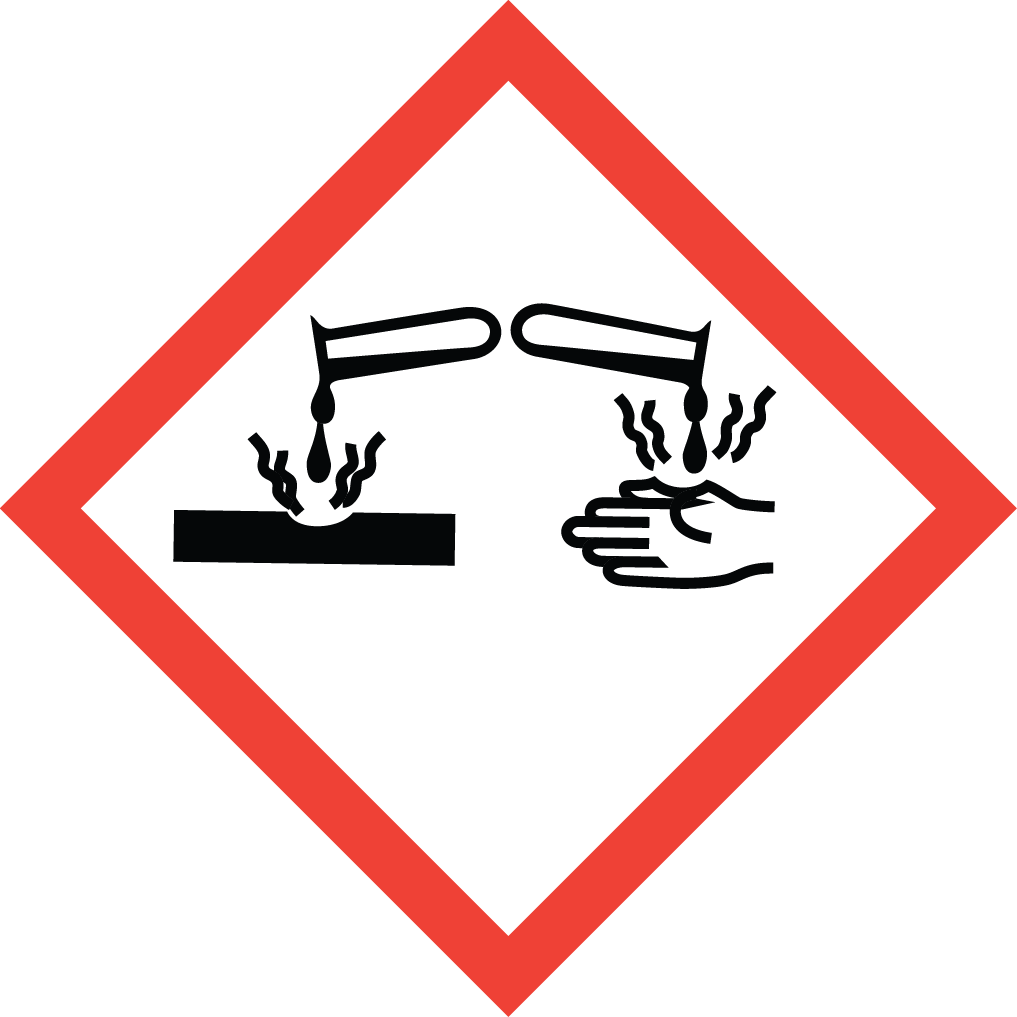 Corrosion
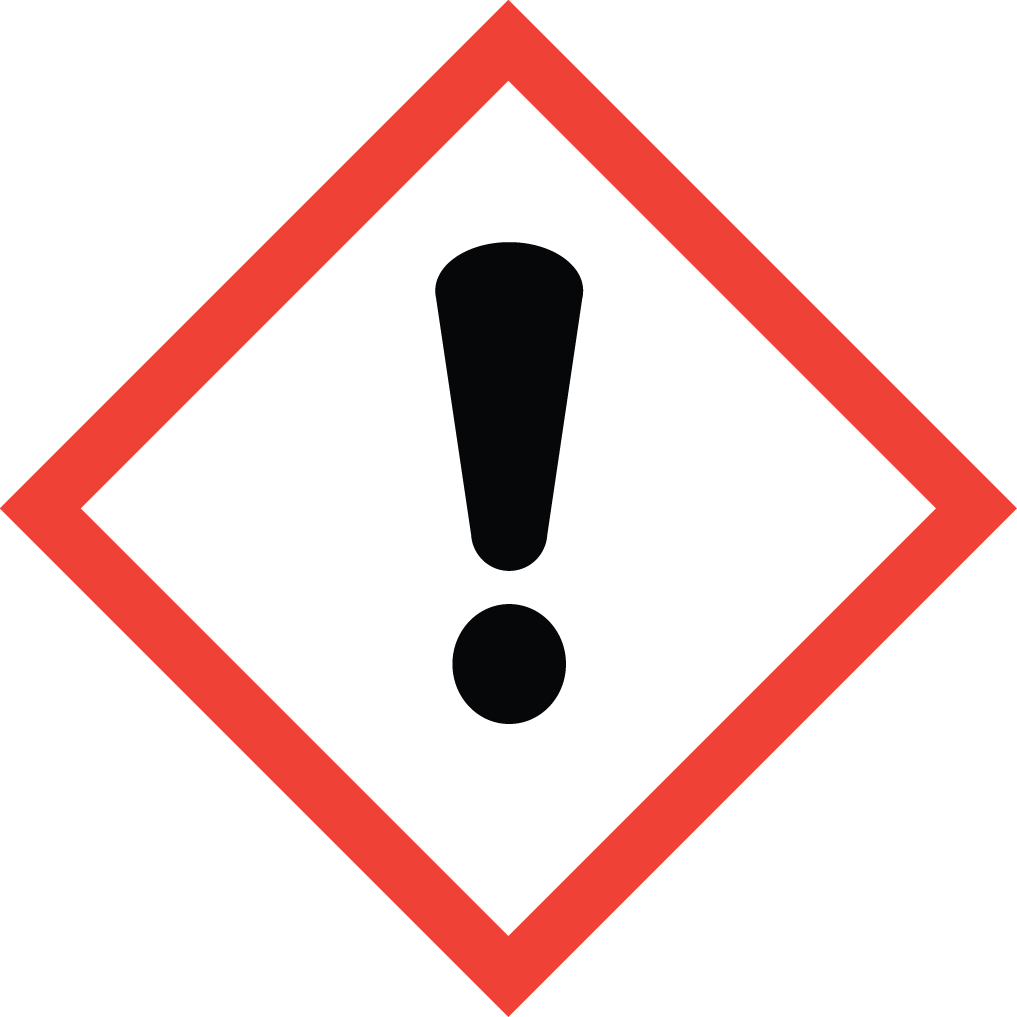 Irritant