| Hazard / Safety Info | Pictogram(s): Flammable; Irritant Signal: Warning; GHSWarning GHS Hazard Statements: H226: Flammable liquid and vapor [Warning Flammable liquids]; GHSWarning; H315: Causes skin irritation [Warning Skin corrosion/irritation]; H332: Harmful if inhaled [Warning Acute toxicity, inhalation]; H335: May cause respiratory irritation [Warning Specific target organ toxicity, single exposure; Respiratory tract irritation] Precautionary Statement Codes: P210, P233, P240, P241, P242, P243, P261, P264, P271, P280, P302+P352, P303+P361+P353, P304+P340, P317, P319, P321, P332+P317, P362+P364, P370+P378, P403+P233, P403+P235, P405, and P501 Pictogram(s): Flammable; Corrosive; Irritant Signal: Danger; GHSDanger GHS Hazard Statements: H226 (100%): Flammable liquid and vapor [Warning Flammable liquids]; GHSWarning; H314 (15.8%): Causes severe skin burns and eye damage [Danger Skin corrosion/irritation]; GHSDanger; H315 (84.2%): Causes skin irritation [Warning Skin corrosion/irritation]; H318 (25.4%): Causes serious eye damage [Danger Serious eye damage/eye irritation]; H332 (99.6%): Harmful if inhaled [Warning Acute toxicity,... Precautionary Statement Codes: P210, P233, P240, P241, P242, P243, P260, P261, P264, P264+P265, P271, P280, P301+P330+P331, P302+P352, P302+P361+P354, P303+P361+P353, P304+P340, P305+P354+P338, P316, P317, P319, P321, P332+P317, P362+P364, P363, P370+P378, P403+P233, P403+P235, P405, and P501 A skin, eye, and respiratory tract irritant; Inhalation of high concentrations can cause CNS depression; [ICSC] Vapor can cause lacrimation, but no significant corneal injury; [HSDB] Irritation of skin, eyes, and respiratory tract; headache and vertigo; dyspnea and cough; nausea, vomiting, and diarrhea. Double vision, deafness, delirium, and occasionally fatal poisoning, preceded by severe nervous symptoms, have been reported. Coma, glycosuria, and methemoglobinemia can occur. (USCG, 1999) Excerpt from ERG Guide 129 [Flammable Liquids (Water-Miscible / Noxious)]:; CID-962; HIGHLY FLAMMABLE: Will be easily ignited by heat, sparks or flames. Vapors may form explosive mixtures with air. Vapors may travel to source of ignition and flash back. Most vapors are heavier than air. They will spread along the ground and collect in low or confined areas (sewers, basements, tanks, etc.). Vapor explosion hazard indo... |
|---|

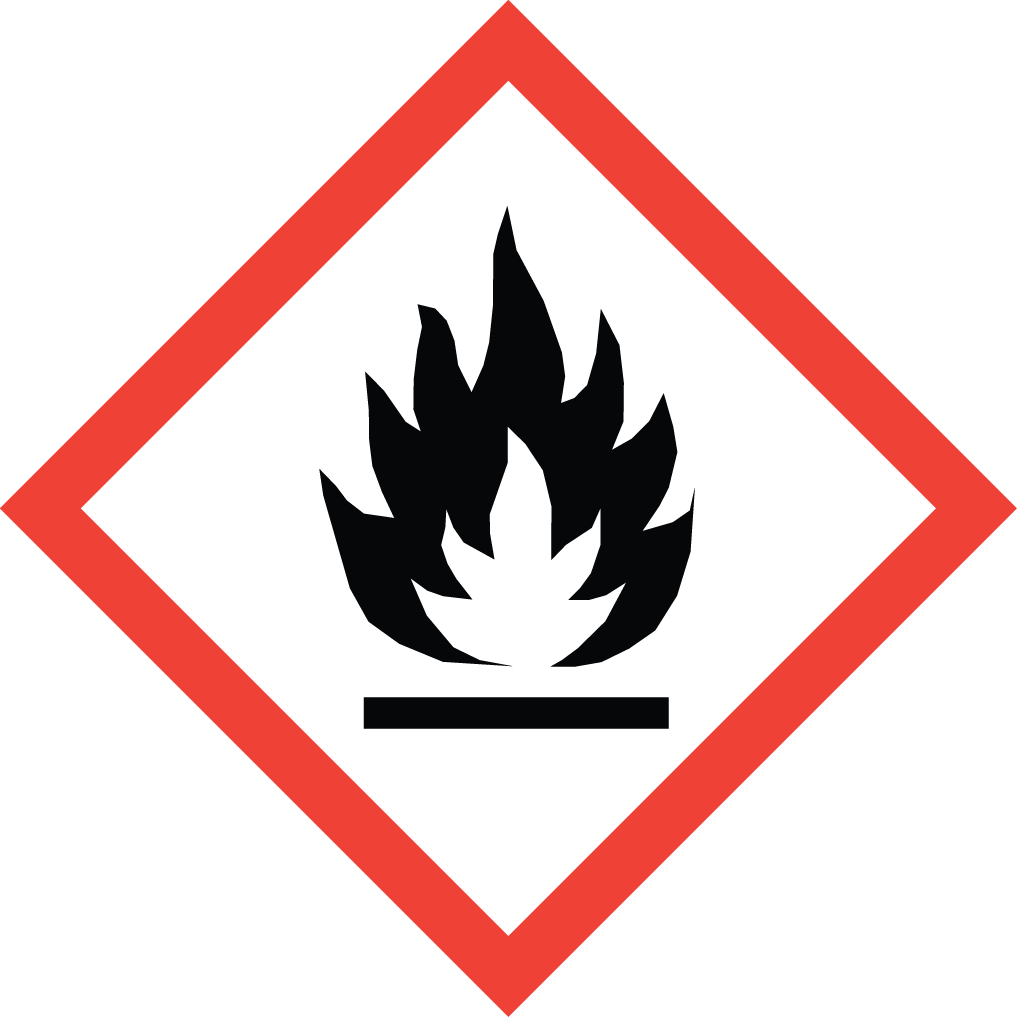 Flame
Flame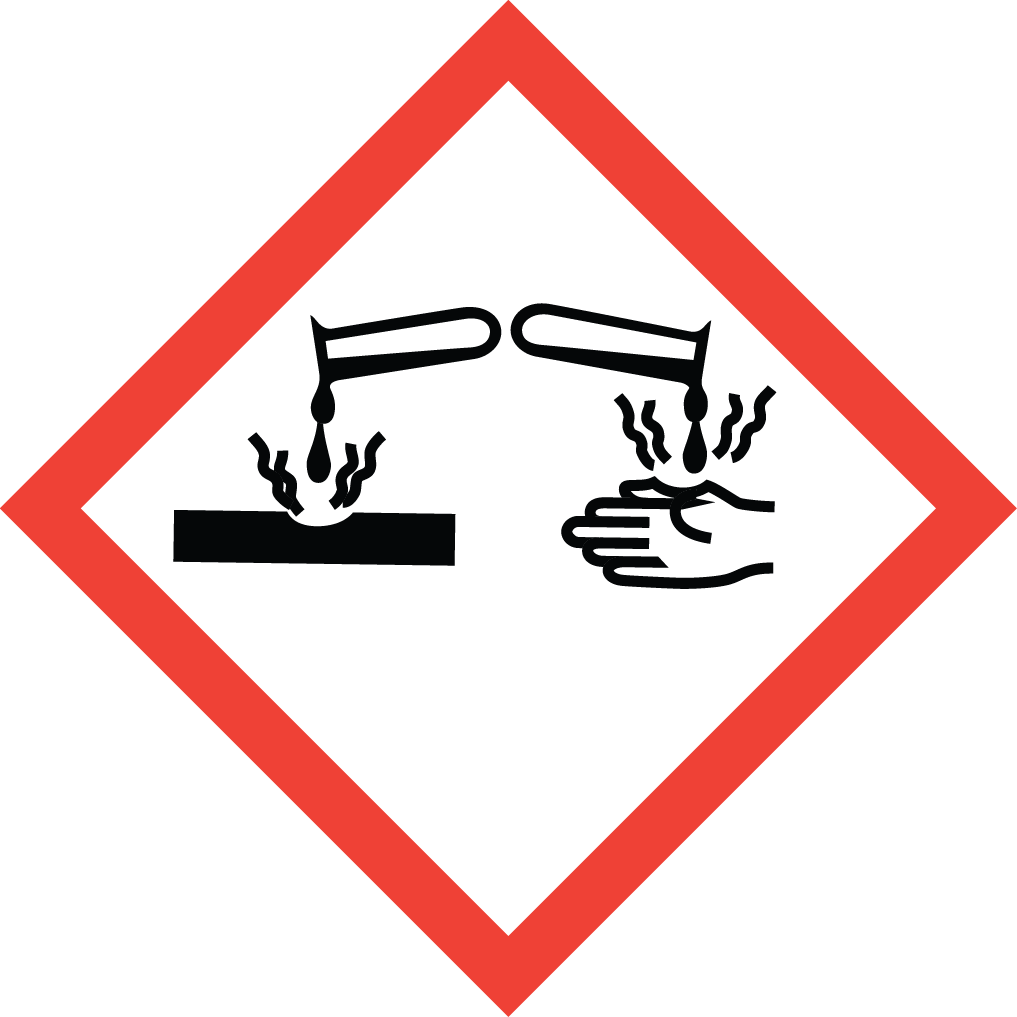 Corrosion
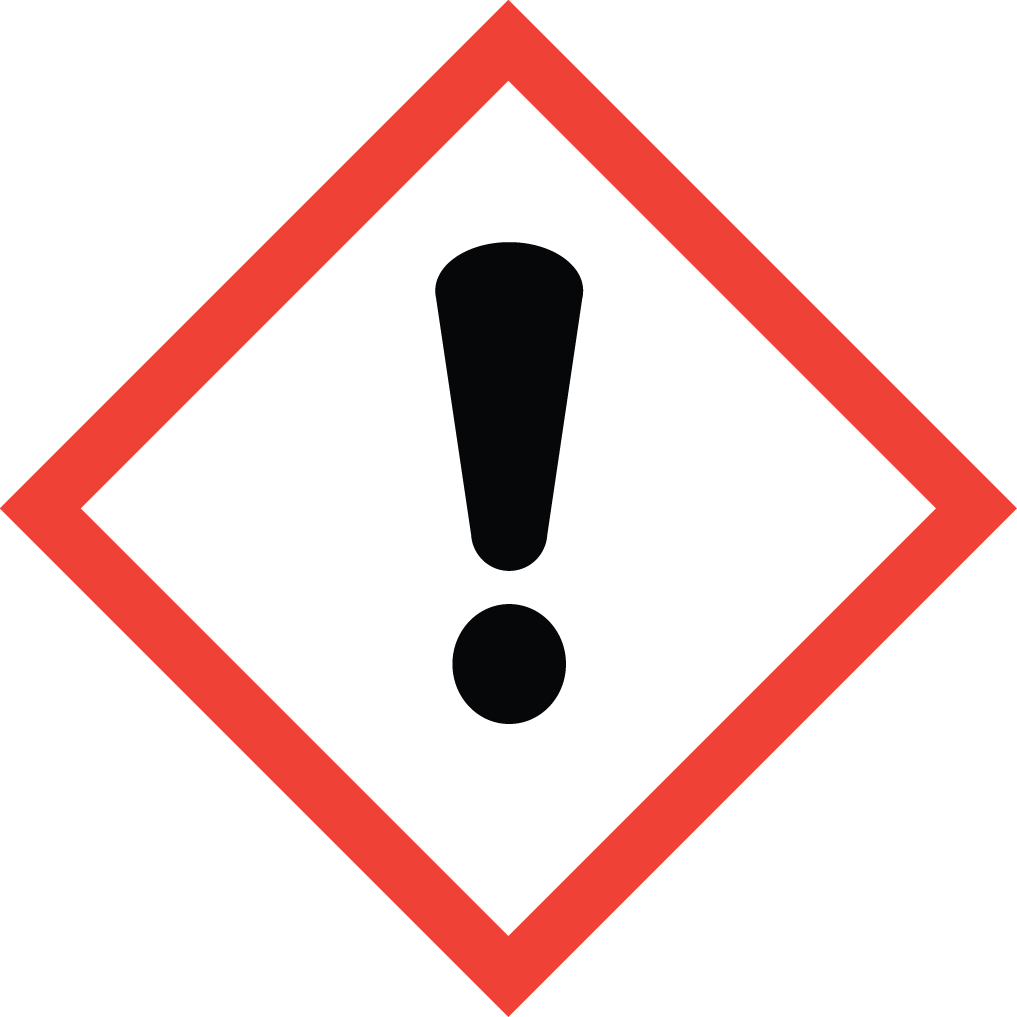 Irritant