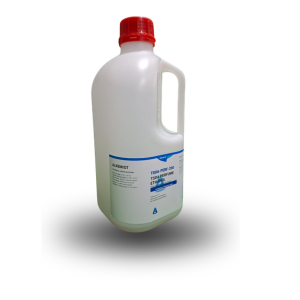
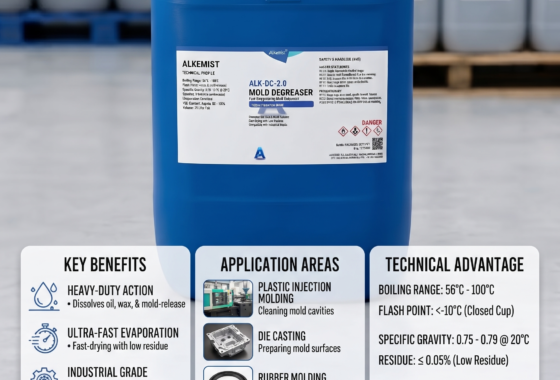
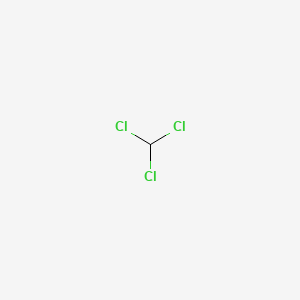
| Hazard / Safety Info | Pictogram(s): Acute Toxic; Health Hazard Signal: Danger; GHSDanger GHS Hazard Statements: H302: Harmful if swallowed [Warning Acute toxicity, oral]; GHSWarning; H315: Causes skin irritation [Warning Skin corrosion/irritation]; H319: Causes serious eye irritation [Warning Serious eye damage/eye irritation]; H331: Toxic if inhaled [Danger Acute toxicity, inhalation]; GHSDanger; H351: Suspected of causing cancer [Warning Carcinogenicity]; H361d: Suspected of damaging the unborn child [... Precautionary Statement Codes: P203, P260, P261, P264, P264+P265, P270, P271, P280, P301+P317, P302+P352, P304+P340, P305+P351+P338, P316, P318, P319, P321, P330, P332+P317, P337+P317, P362+P364, P403+P233, P405, and P501 Note: This chemical does not meet GHS hazard criteria for < 0.1% (1 of 1499) of reports. Pictogram(s): Acute Toxic; Irritant; Health Hazard GHS Hazard Statements: H302 (94.8%): Harmful if swallowed [Warning Acute toxicity, oral]; GHSWarning; H315 (> 99.9%): Causes skin irritation [Warning Skin corrosion/irritation]; H319 (64.3%): Causes serious eye irritation [Warning Serious eye damage/eye irritation]; H331 (60.7%): Toxic if inhaled [Danger Acute toxicity, inhalation]; GHSDanger; H336 (16.3%): May cause drowsiness or dizziness [Warning Specific target o... Chloroform is a colorless liquid with a pleasant, nonirritating odor and a slightly sweet taste. It will burn only when it reaches very high temperatures. In the past, chloroform was used as an inhaled anesthetic during surgery, but it isn't used that way today. Today, chloroform is used to make other chemicals and can also be formed in small amounts when chlorine is added to water. Other names for chloroform aretric... Chloroform may be released to the air as a result of its formation in the chlorination of drinking water, wastewater and swimming pools. Other sources include pulp and paper mills, hazardous waste sites, and sanitary landfills. The major effect from acute (short-term) inhalation exposure to chloroform is central nervous system depression. Chronic (long-term) exposure to chloroform by inhalation in humans has resulted... It is classified as moderately toxic. Probable oral lethal dose for humans is 0.5 to 5 g/kg (between 1 ounce and 1 pint) for a 150 lb. person. The mean lethal dose is probably near 1 fluid ounce (44 g). It is a human suspected carcinogen. Also, it is a central nervous system depressant and a gastrointestinal irritant. It has caused rapid death attributable to cardiac arrest and delayed death from liver and kidney dam... Container may explode in the heat of fire. When heated it liberates phosgene, hydrogen chloride, chlorine and toxic and corrosive oxides of carbon and chlorine. Chloroform explodes when in contact with aluminum powder or magnesium powder or with alkali metals (e.g., lithium, sodium, and potassium) and dinitrogen tetroxide. It reacts vigorously with acetone in the presence of potassium hydroxide or calcium hydroxide.... |
|---|

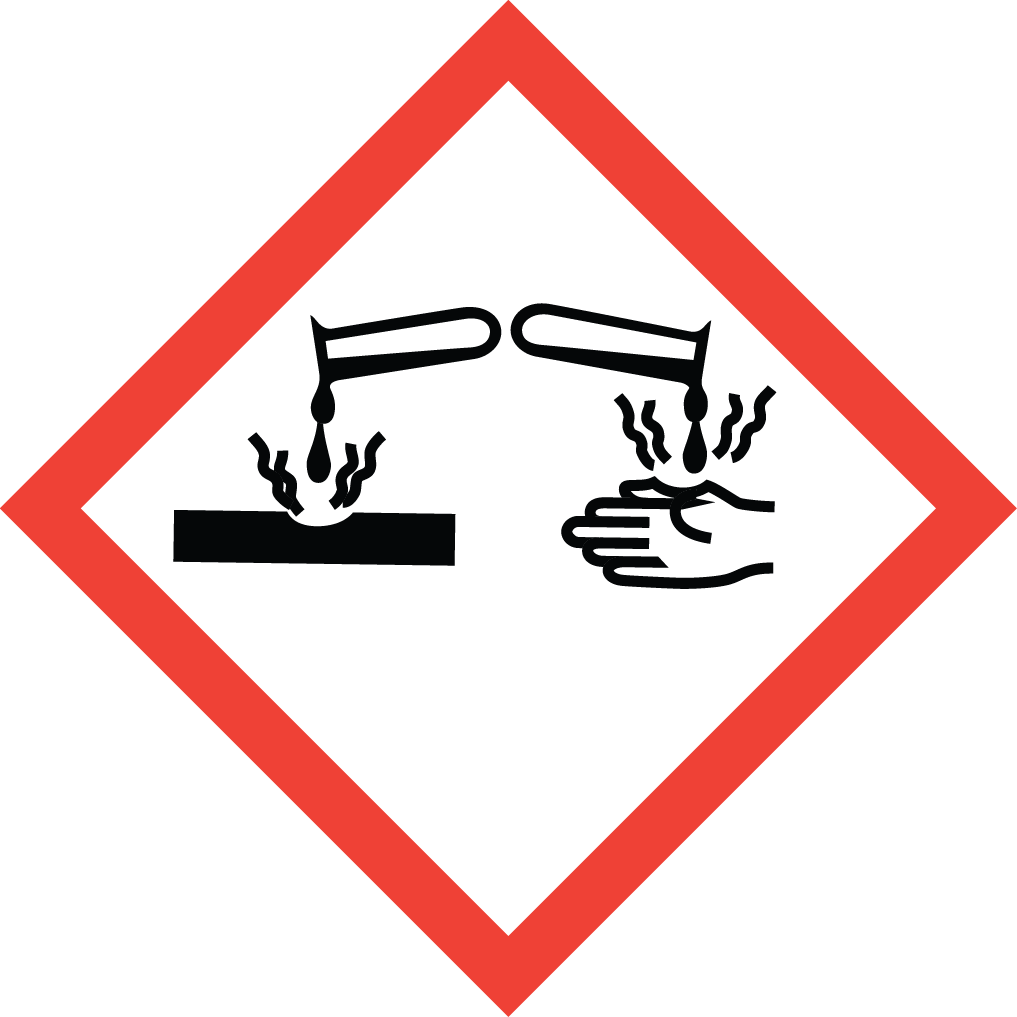 Corrosion
 Irritant