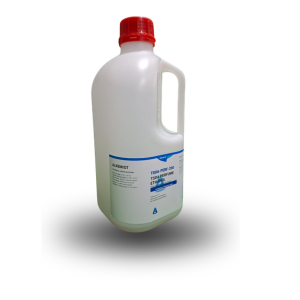
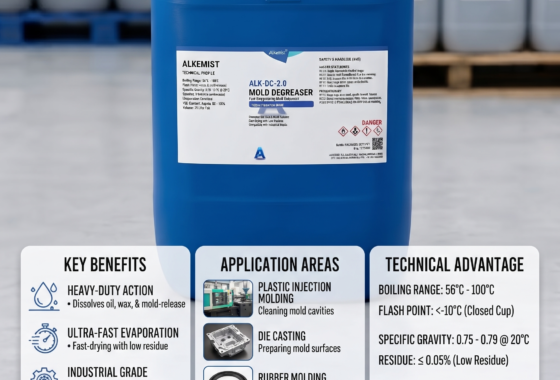
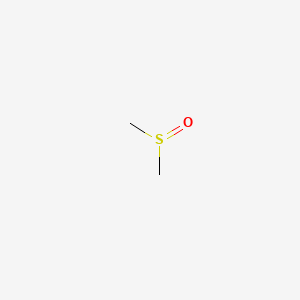
| Hazard / Safety Info | Note: This chemical does not meet GHS hazard criteria for 65.1% (611 of 938) of all reports. Pictogram(s): Irritant Signal: Warning; GHSWarning GHS Hazard Statements: H315 (28.4%): Causes skin irritation [Warning Skin corrosion/irritation]; GHSWarning; H319 (33.6%): Causes serious eye irritation [Warning Serious eye damage/eye irritation]; H335 (13.8%): May cause respiratory irritation [Warning Specific target organ toxicity, single exposure; Respiratory tract irritation] Precautionary Statement Codes: P261, P264, P264+P265, P271, P280, P302+P352, P304+P340, P305+P351+P338, P319, P321, P332+P317, P337+P317, P362+P364, P403+P233, P405, and P501 ECHA C&L Notifications Summary: Aggregated GHS information provided per 938 reports by companies from 27 notifications to the ECHA C&L Inventory. Each notification may be associated with multiple companies.; Reported as not meeting GHS hazard criteria per 611 of 938 reports by companies.; There are 24 notifications provided by 327 of 938 reports by companies with hazard statement code(s).; Information may vary betwee... Pictogram(s): Health Hazard A skin and eye irritant; May cause CNS depression after inhalation, ingestion, or skin absorption of high doses; Long term use may cause adverse effects to the liver and blood; [ICSC] Rats experienced no significant effects after inhalation of 200 mg/m3 (62.8 ppm) for 30 days. After skin absorption, humans may experience garlic odor on the breath, headache, nausea, and dizziness. DMSO enhances the absorption of other... Slight eye irritation. (USCG, 1999) Special Hazards of Combustion Products: Sulfur dioxide, formaldehyde, and methyl mercaptan can form (USCG, 1999); CID-1119; CID-712; CID-878 |
|---|

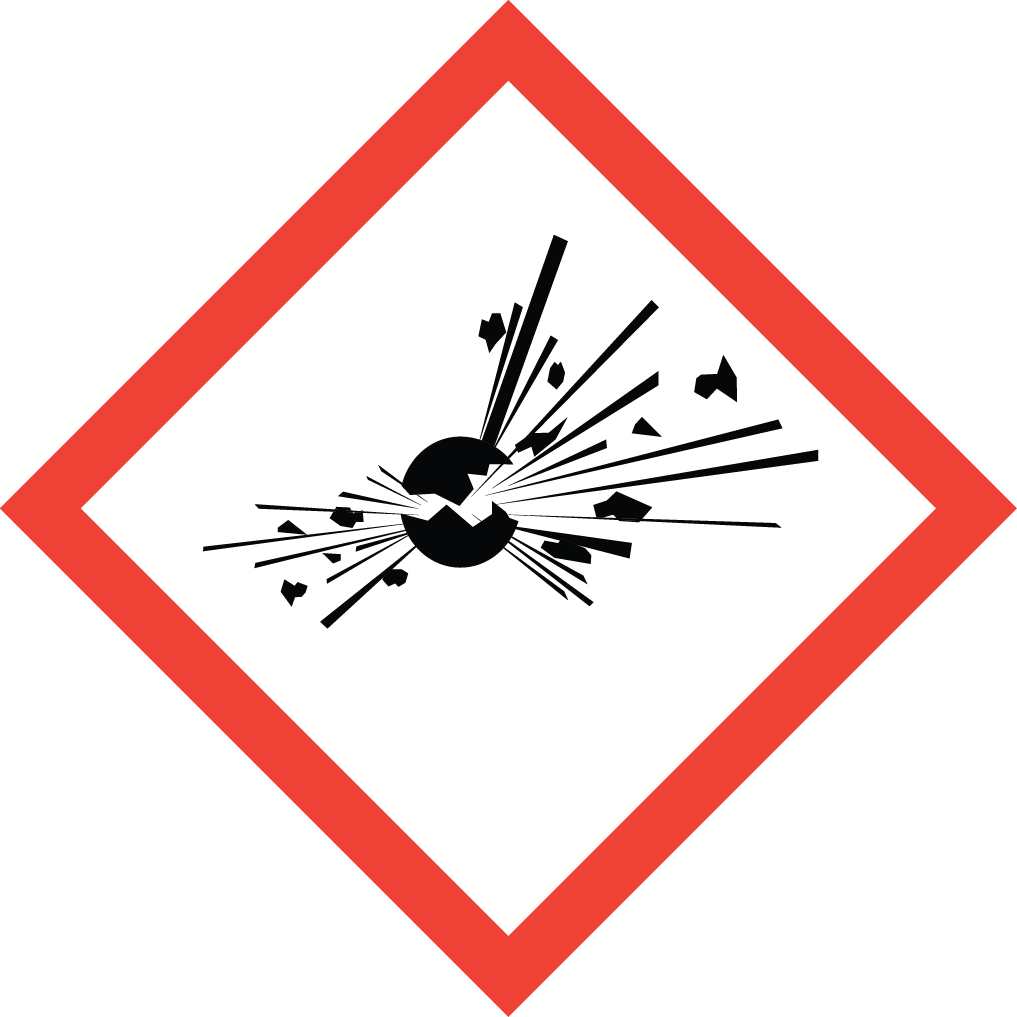 Explosive
 Corrosion
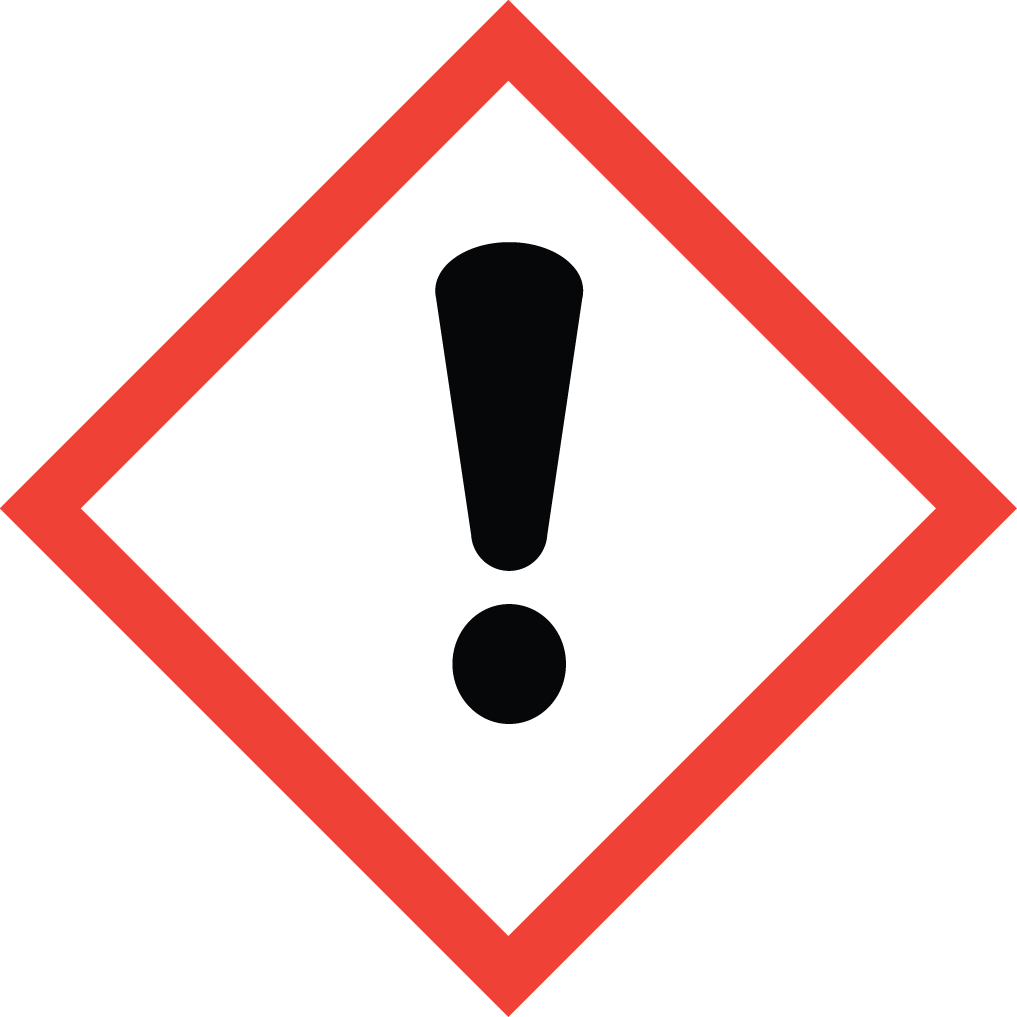 Irritant