| Hazard / Safety Info | Note: This chemical does not meet GHS hazard criteria for 41.6% (121 of 291) of reports. Pictogram(s): Irritant Signal: Warning; GHSWarning GHS Hazard Statements: H315 (58.4%): Causes skin irritation [Warning Skin corrosion/irritation]; GHSWarning; H319 (58.4%): Causes serious eye irritation [Warning Serious eye damage/eye irritation]; H335 (57%): May cause respiratory irritation [Warning Specific target organ toxicity, single exposure; Respiratory tract irritation] Precautionary Statement Codes: P261, P264, P264+P265, P271, P280, P302+P352, P304+P340, P305+P351+P338, P319, P321, P332+P317, P337+P317, P362+P364, P403+P233, P405, and P501 ECHA C&L Notifications Summary: Aggregated GHS information provided per 291 reports by companies from 14 notifications to the ECHA C&L Inventory. Each notification may be associated with multiple companies.; Reported as not meeting GHS hazard criteria per 121 of 291 reports by companies.; There are 12 notifications provided by 170 of 291 reports by companies with hazard statement code(s).; Information may vary betwee...
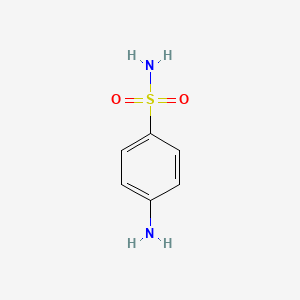
Photoallergic contact dermatitis reported; Sulfanilamide may induce photosensitivity in patients taking sulfanilamide systemically (photodrug reaction). [Marks, p. 201-3] In a 1946 report, occupational asthma was induced by sulfathiazole (72-14-0). [Malo] See Sulfathiazole.; CID-5333; CID-5340
SYMPTOMS: Symptoms of exposure to this compound may include irritation of the skin, eyes and mucous membranes, nausea, vomiting, fever, diarrhea, jaundice, headache, crystalluria, acidosis, ataxia, convulsions, cyanosis, dizziness, dermatitis, paralysis and respiratory failure. It has been implicated in aplastic anemia.; ACUTE/CHRONIC HAZARDS: This material may cause irritation of the skin on contact. (NTP, 1992)
Flash point data for this chemical are not available but it is probably combustible. (NTP, 1992) |
|---|

 Corrosion
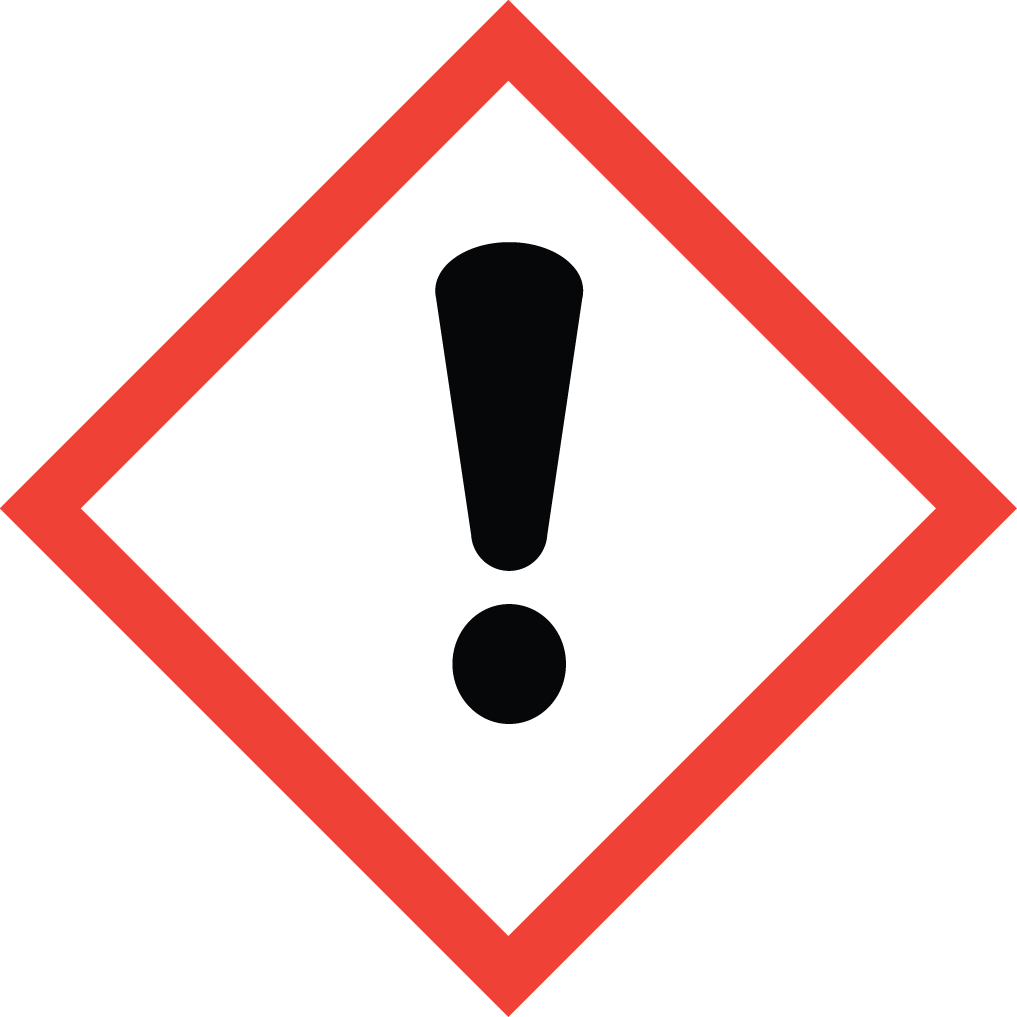 Irritant