B2B & B2C Chemical Sourcing & Technical Supply

N-methyl-2-pyrrolidone, ≥99%

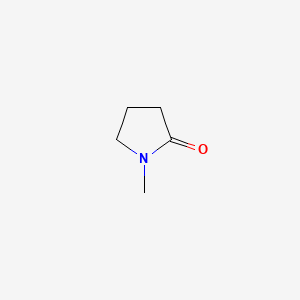
N-methyl-2-pyrrolidone (CAS 872-50-4, formula C5H9NO, molecular weight 99.13) chemical.

CAS No.872-50-4
Product CodeALK-CID-13387
FormulaC5H9NO
Molecular Weight99.13
GradeAR GRADE
StockOn Request
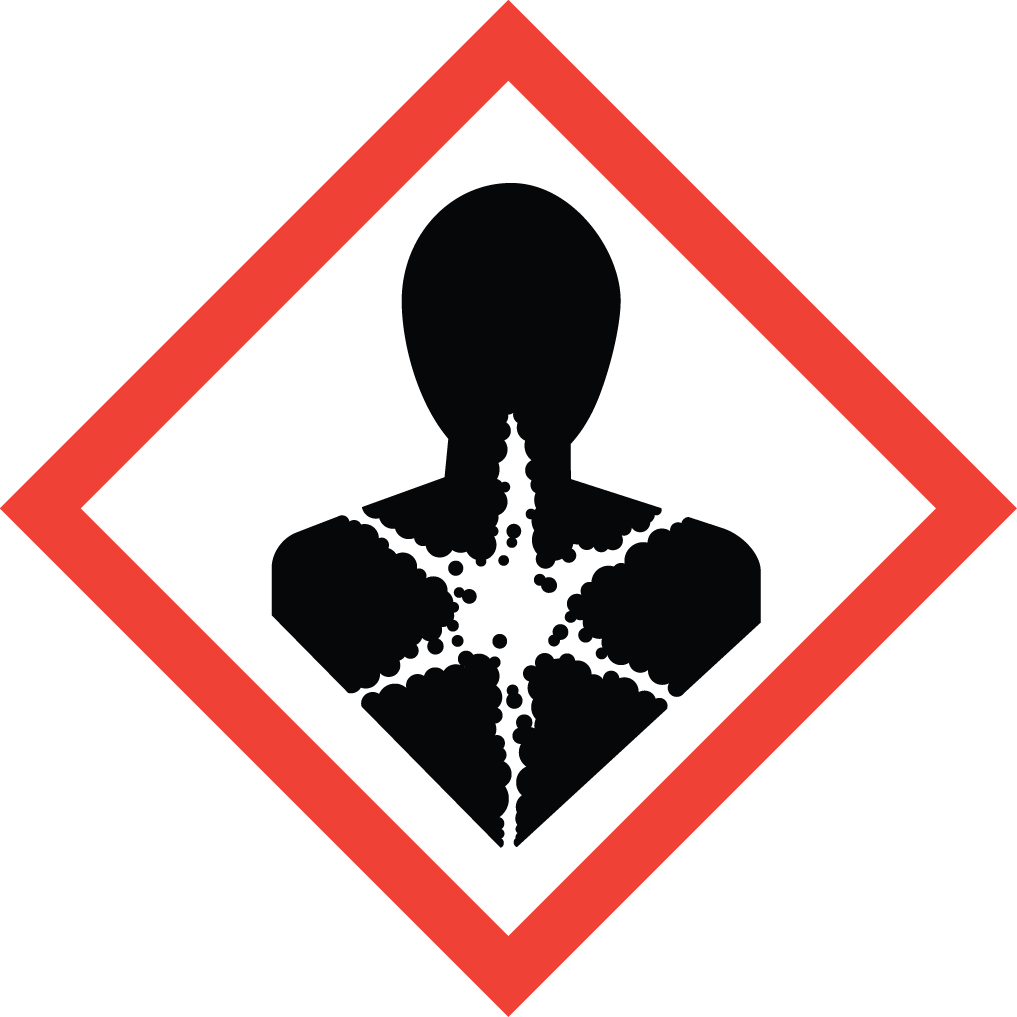
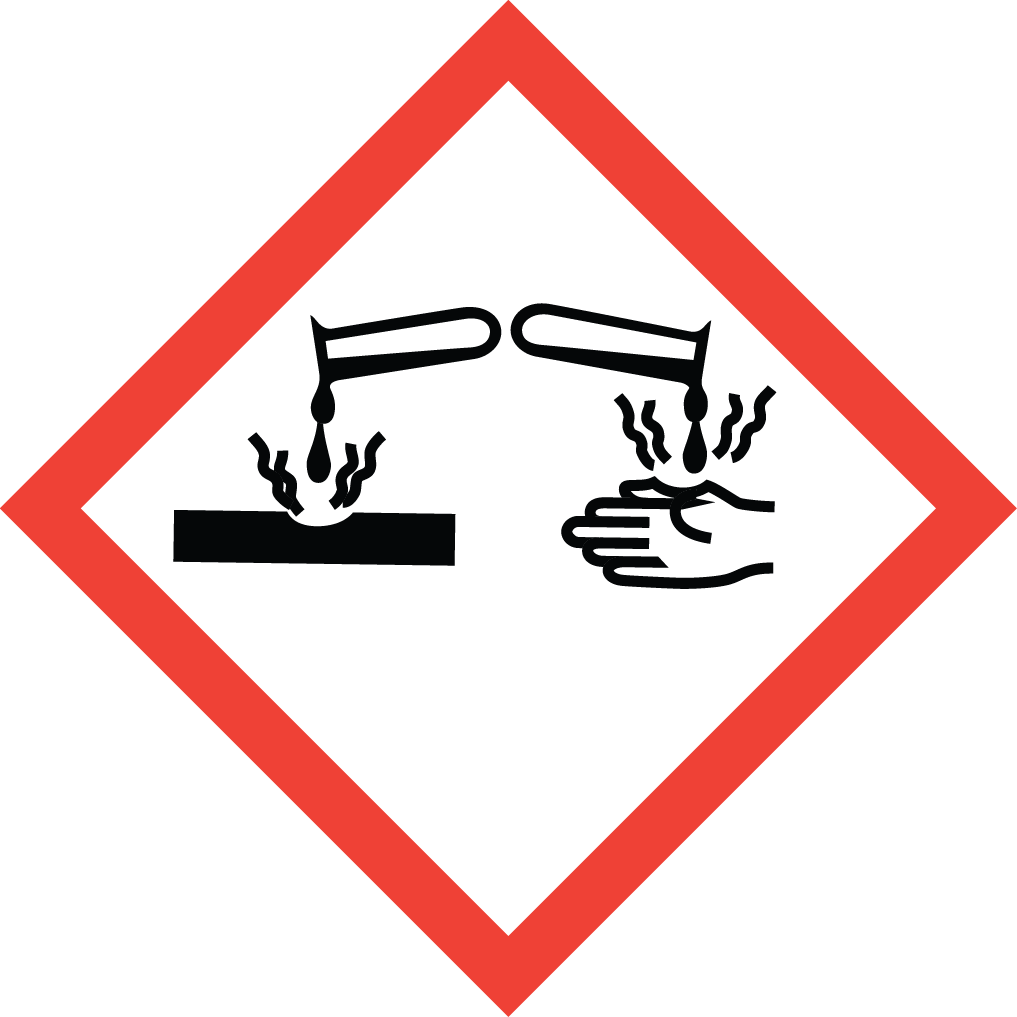
GHSHazard Pictograms
Health HazardHealth HazardIrritantIrritantCorrosionCorrosion

Auto-selected from PubChem where available. Confirm final classification with supplier SDS.

Product Overview

Professional technical and procurement details

IUPAC name: 1-methylpyrrolidin-2-one.

Technical identifiers: CAS No. 872-50-4. Molecular formula C5H9NO. Molecular weight 99.13. PubChem CID 13387.

Structure references: InChIKey SECXISVLQFMRJM-UHFFFAOYSA-N.

Safety note: verify SDS, TDS, COA, hazard classification, storage condition and regulatory requirements against supplier documents before customer use.

Technical Specifications

Identity, properties and equipment data

Identification

CAS Number872-50-4
SKU / Product CodeALK-CID-13387
Synonyms / Alternative Names1-METHYL-2-PYRROLIDINONE,
N-Methylpyrrolidone,
N-Methyl-2-pyrrolidinone,
Methylpyrrolidone,
1-Methyl-2-pyrrolidone,
1-Methylpyrrolidone,
Methyl pyrrolidone,
N-Methylpyrrolidinone,
1-Methylpyrrolidinone,
n-methyl-pyrrolidone,
1-Methyl-5-pyrrolidinone,
2-Pyrrolidinone, 1-methyl-
Molecular FormulaC5H9NO
Molecular Weight99.13
BrandMacklin
Product GradeAR GRADE

Technical Properties

Purity / AssayAR GRADE
Physical State / FormN-methyl-2-pyrrolidone appears as a clear colorless liquid with a "fishlike" odor. Denser than water. Flash point 199 °F. Contact may irritate skin, eyes and mucous membranes. May be toxic by ingestion.; CID-13387; CID-962
Density1.03 at 77 °F (USCG, 1999) - Denser than water; will sink; CID-962
Melting Point-9 °F (NTP, 1992)
Boiling Point396 °F at 760 mmHg (NTP, 1992)
pH ValueNot available from PubChem; verify from SDS / COA if applicable.
Shelf LifeNMP shows unlimited shelf life in tightly closed containers, slight discoloration does not impair its quality.; CID-13387

Storage & Safety

Storage ConditionDry. Ventilation along the floor. Separated from strong oxidants, strong acids, strong bases, copper and plastics.; Element-Copper
Small quantities can be stored in polyethylene, polypropylene, or clear glass bottles. Safe Storage: Separated from oxidants, rubber, plastics, aluminum and light metals. Dry. Ventilation along the floor.; Element-Aluminum
Hazard / Safety InfoPictogram(s): Irritant; Health Hazard Signal: Danger; GHSDanger GHS Hazard Statements: H315: Causes skin irritation [Warning Skin corrosion/irritation]; GHSWarning; H319: Causes serious eye irritation [Warning Serious eye damage/eye irritation]; H335: May cause respiratory irritation [Warning Specific target organ toxicity, single exposure; Respiratory tract irritation]; H360D ***: May damage the unborn child [Danger Reproductive toxicity]; GHSDanger Precautionary Statement Codes: P203, P261, P264, P264+P265, P271, P280, P302+P352, P304+P340, P305+P351+P338, P318, P319, P321, P332+P317, P337+P317, P362+P364, P403+P233, P405, and P501 Note: This chemical does not meet GHS hazard criteria for < 0.1% (1 of 2679) of reports. GHS Hazard Statements: H315 (> 99.9%): Causes skin irritation [Warning Skin corrosion/irritation]; GHSWarning; H319 (> 99.9%): Causes serious eye irritation [Warning Serious eye damage/eye irritation]; H335 (94.8%): May cause respiratory irritation [Warning Specific target organ toxicity, single exposure; Respiratory tract irritation]; H360 (94.2%): May damage fertility or the unborn child [Danger Reproductive toxici...
It is absorbed through the skin; a severe eye irritant; [CSH, p. 291] It is mainly an irritant, but it can cause severe contact dermatitis due to prolonged contact. [Kanerva, p. 1816] Experimental animals experience lethargy and respiratory difficulty after inhalation. [HSDB] Some animal studies found fetal loss and birth defects after high doses during early pregnancy. [Frazier, p. 345] NMP is a cyclic amide used as...
Inhalation of hot vapors can irritate nose and throat. Ingestion causes irritation of mouth and stomach. Contact with eyes causes irritation. Repeated and prolonged skin contact produces a mild, transient irritation. (USCG, 1999)
Special Hazards of Combustion Products: Toxic oxides of nitrogen may be formed in fire. (USCG, 1999)
Supply & Availability

Packing, MOQ, location and supplier information

Packing SizeOn request
MOQOn request
PricePKR 0.10
Stock StatusOn Request
Available CountryPakistan
Available LocationPakistan
Dealer / SupplierALKEMIST - chemical seller in Pakistan
Documentation

SDS, TDS, COA and supporting files

SDS / TDS / COA documents can be uploaded from the product editor.

⚗️Glassware
Library
🧪Laboratory
Chemicals
🌸Perfume OilsExplore