| Hazard / Safety Info | Pictogram(s): Flammable; Acute Toxic; Health Hazard Signal: Danger; GHSDanger GHS Hazard Statements: H225: Highly Flammable liquid and vapor [Danger Flammable liquids]; GHSDanger; H301: Toxic if swallowed [Danger Acute toxicity, oral]; H311: Toxic in contact with skin [Danger Acute toxicity, dermal]; H331: Toxic if inhaled [Danger Acute toxicity, inhalation]; H370 **: Causes damage to organs [Danger Specific target organ toxicity, single exposure] Precautionary Statement Codes: P210, P233, P240, P241, P242, P243, P260, P261, P262, P264, P270, P271, P280, P301+P316, P302+P352, P303+P361+P353, P304+P340, P308+P316, P316, P321, P330, P361+P364, P370+P378, P403+P233, P403+P235, P405, and P501 Note: This chemical does not meet GHS hazard criteria for < 0.1% (4 of 7623) of reports. GHS Hazard Statements: H225 (> 99.9%): Highly Flammable liquid and vapor [Danger Flammable liquids]; GHSDanger; H301 (99.9%): Toxic if swallowed [Danger Acute toxicity, oral]; H311 (99.9%): Toxic in contact with skin [Danger Acute toxicity, dermal]; H331 (99.4%): Toxic if inhaled [Danger Acute toxicity, inhalation]; H370 (> 99.9%): Causes damage to organs [Danger Specific target organ toxicity, single exposure]
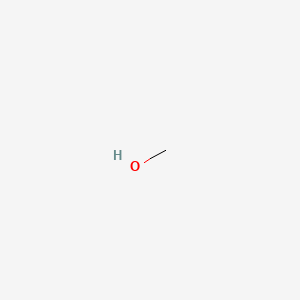
Methanol is released to the environment during industrial uses and naturally from volcanic gases, vegetation, and microbes. Exposure may occur from ambient air and during the use of solvents. Acute (short-term) or chronic (long-term) exposure of humans to methanol by inhalation or ingestion may result in blurred vision, headache, dizziness, and nausea. No information is available on the reproductive, developmental, o... Methanol poisoning can cause blindness and death. The lethal oral dose in humans is 2 to 8 ounces. Most cases have occurred after ingestion. Methanol poisoning after inhalation or skin absorption in the workplace has been reported. [ACGIH] Symptoms of methanol poisoning include initial CNS depression and vomiting followed by metabolic acidosis and severe vision impairment 8-24 hours later. Coma, respiratory failure,...
Exposure to excessive vapor causes eye irritation, head- ache, fatigue and drowsiness. High concentrations can produce central nervous system depression and optic nerve damage. 50,000 ppm will probably cause death in 1 to 2 hrs. Can be absorbed through skin. Swallowing may cause death or eye damage. (USCG, 1999)
Behavior in Fire: Containers may explode. (USCG, 1999) |
|---|

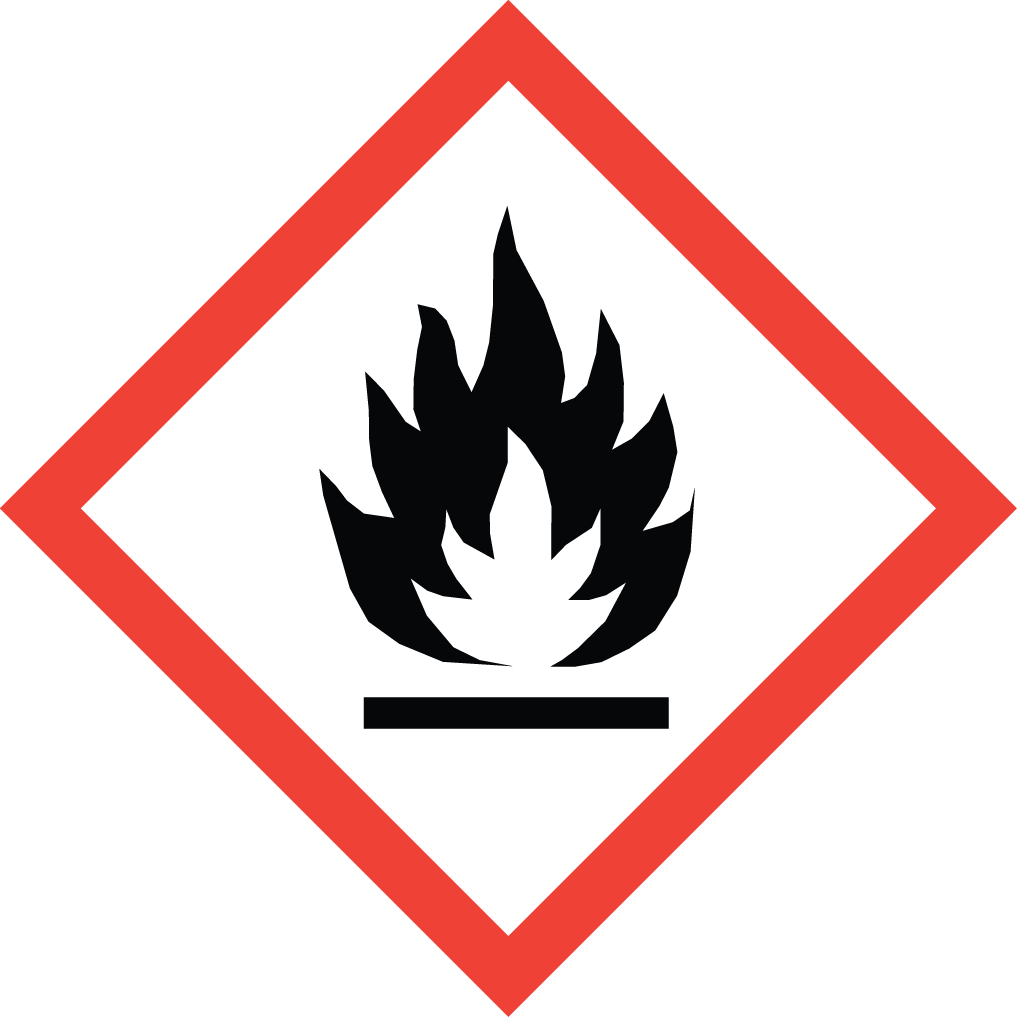 Flame
Flame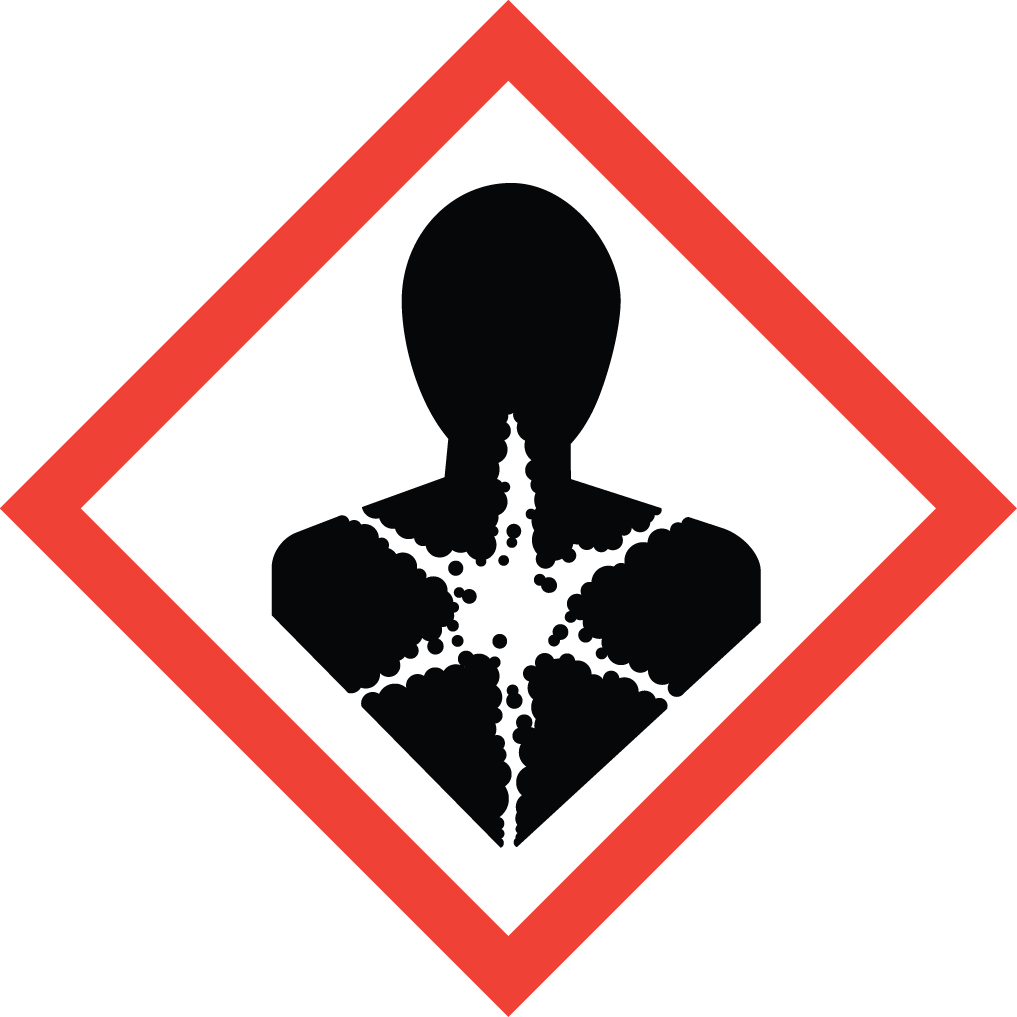 Health Hazard
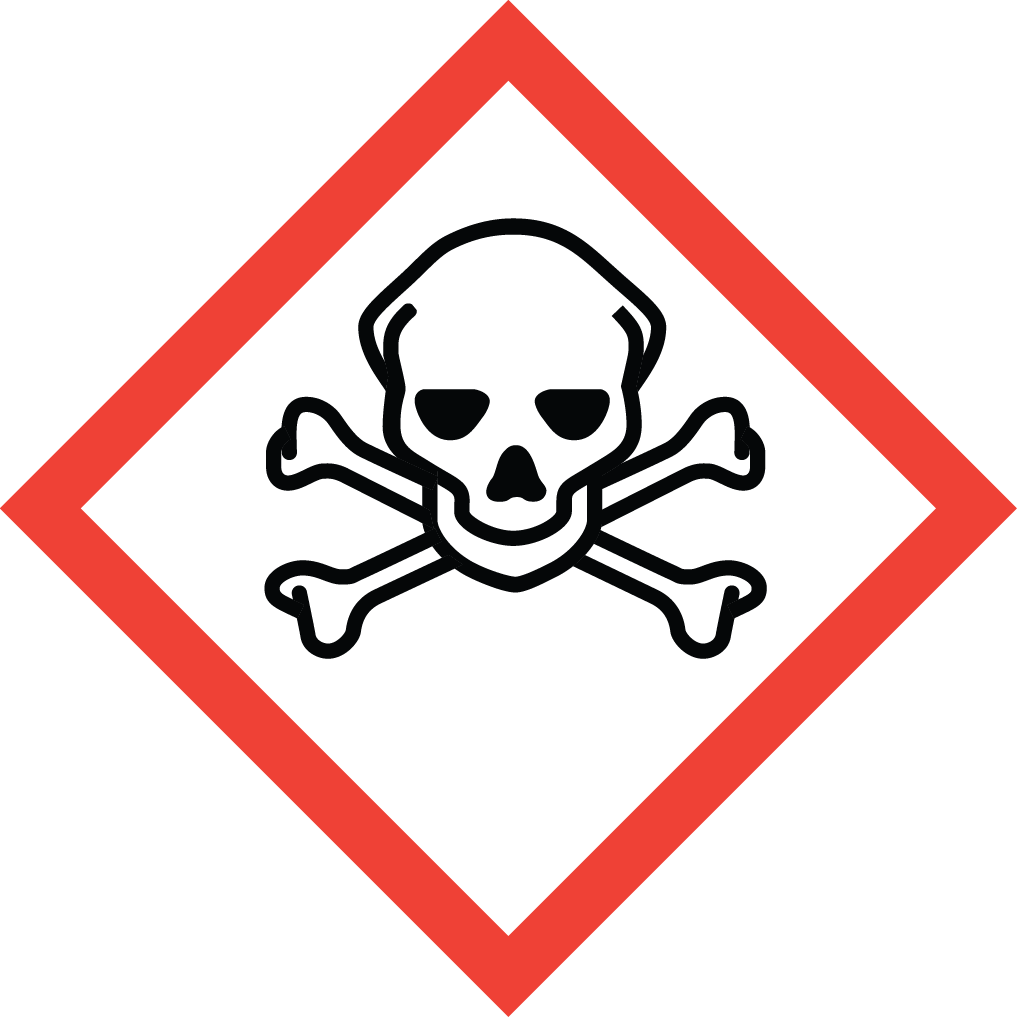 Skull
Skull