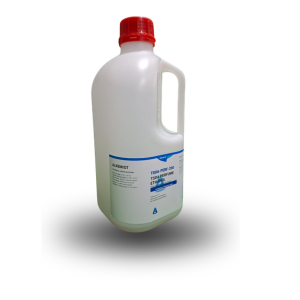
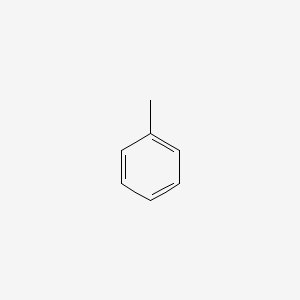
| Hazard / Safety Info | Pictogram(s): Flammable; Irritant; Health Hazard Signal: Danger; GHSDanger GHS Hazard Statements: H225: Highly Flammable liquid and vapor [Danger Flammable liquids]; GHSDanger; H304: May be fatal if swallowed and enters airways [Danger Aspiration hazard]; H315: Causes skin irritation [Warning Skin corrosion/irritation]; GHSWarning; H336: May cause drowsiness or dizziness [Warning Specific target organ toxicity, single exposure; Narcotic effects]; H361d ***: Suspected of damaging the unborn... Precautionary Statement Codes: P203, P210, P233, P240, P241, P242, P243, P260, P261, P264, P271, P280, P301+P316, P302+P352, P303+P361+P353, P304+P340, P318, P319, P321, P331, P332+P317, P362+P364, P370+P378, P403+P233, P403+P235, P405, and P501 Note: This chemical does not meet GHS hazard criteria for < 0.1% (8 of 9036) of reports. GHS Hazard Statements: H225 (98.5%): Highly Flammable liquid and vapor [Danger Flammable liquids]; GHSDanger; H304 (99.8%): May be fatal if swallowed and enters airways [Danger Aspiration hazard]; H315 (98.5%): Causes skin irritation [Warning Skin corrosion/irritation]; GHSWarning; H336 (98.3%): May cause drowsiness or dizziness [Warning Specific target organ toxicity, single exposure; Narcotic effects]; H361 (95.3%)... Toluene is a clear, colorless liquid with a distinctive smell. Toluene occurs naturally in crude oil and in the tolu tree. It is also produced in the process of making gasoline and other fuels from crude oil and making coke from coal. Toluene is used in making paints, paint thinners, fingernail polish, lacquers, adhesives, and rubber and in some printing and leather tanning processes.; CID-1140 Toluene is added to gasoline, used to produce benzene, and used as a solvent. Exposure to toluene may occur from breathing ambient or indoor air affected by such sources. The central nervous system (CNS) is the primary target organ for toluene toxicity in both humans and animals for acute (short-term) and chronic (long-term) exposures. CNS dysfunction and narcosis have been frequently observed in humans acutely expos... Vapors irritate eyes and upper respiratory tract; cause dizziness, headache, anesthesia, respiratory arrest. Liquid irritates eyes and causes drying of skin. If aspirated, causes coughing, gagging, distress, and rapidly developing pulmonary edema. If ingested causes vomiting, griping, diarrhea, depressed respiration. (USCG, 1999) Behavior in Fire: Vapor is heavier than air and may travel a considerable distance to a source of ignition and flash back. (USCG, 1999) |
|---|

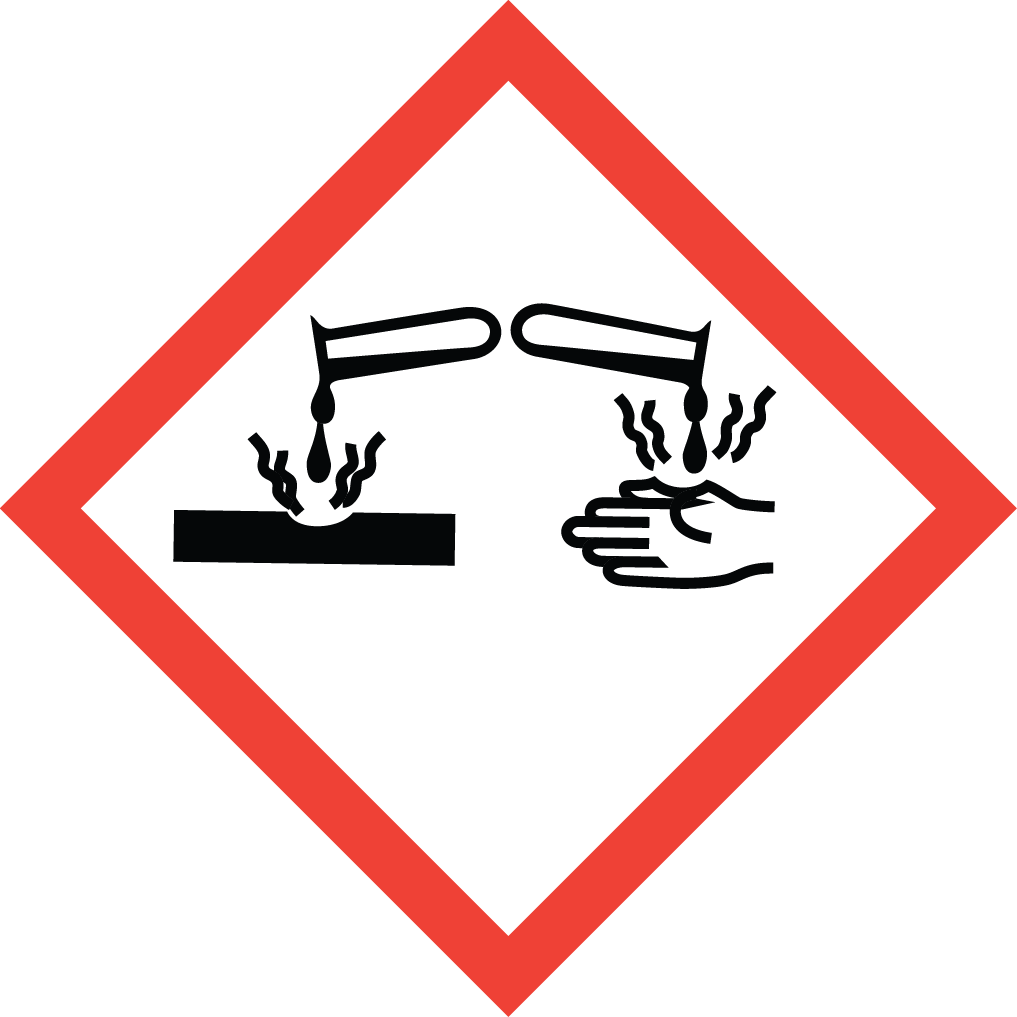 Corrosion
 Irritant